
dallas pick and pack fulfillment: cost per unit for central-us shipping
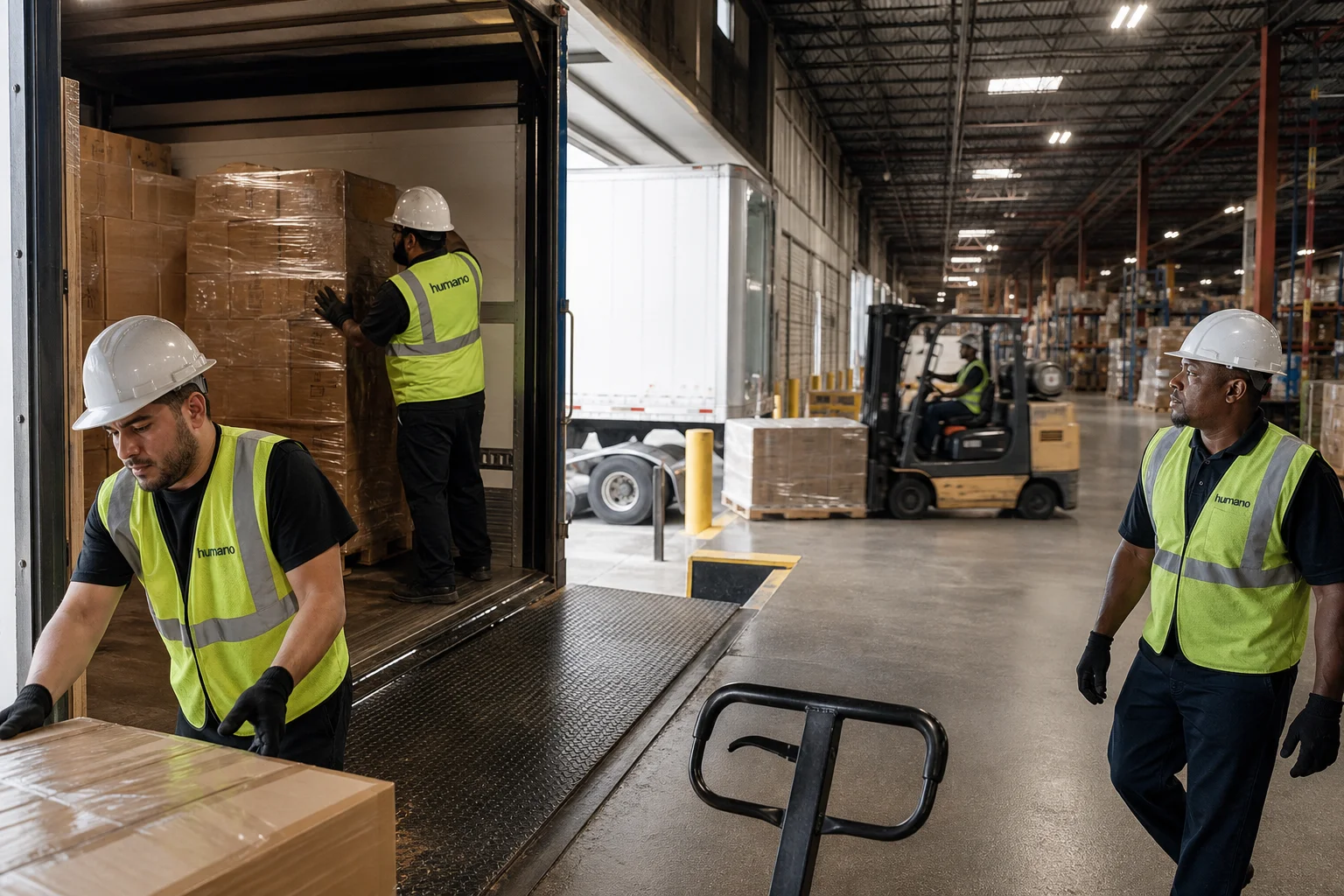
Dallas pick and pack fulfillment gives central-US shippers a geographic edge that cuts transit times and lowers per-unit shipping costs. With access to major freight corridors and a large labor pool, the Dallas Fort Worth region is one of the most strategically positioned locations in the country to run Services for ecommerce and B2B distribution.
By Humano Team, Logistics & Lumper Specialists
Why Dallas Is the Right Base for Central-US Fulfillment
The geography of Texas makes Dallas a natural distribution hub. Located within one to two business days of ground transit from the south, southwest, and midwest, the metro area gives fulfillment operations consistent reach across a wide national footprint without the zone penalties common on the coasts.
The Dallas Fort Worth area sits at the convergence of I-20, I-30, I-35, and I-45, with direct highway access to every major corridor in the south-central US. Rail connections and DFW International Airport add inbound flexibility for businesses receiving inventory from ports or domestic suppliers. A fulfillment operation in Texas can serve customers in California, Florida, New York, and Chicago within similar transit windows, which simplifies carrier negotiations and reduces the need for multi-node fulfillment networks.
For businesses evaluating dallas pick and pack fulfillment, location is the first variable that affects cost per unit. Shorter transit distances mean fewer shipping zones, and fewer zones mean lower carrier rates on every order shipped.
What Cost-Per-Unit Pricing Means in a Pick Pack Operation
Cost-per-unit pricing is a model where you pay a fixed fee for each order processed rather than paying hourly for warehouse labor. For fulfillment services, this structure creates financial predictability. Your fulfillment costs scale directly with volume, making it straightforward to project expenses whether you are planning a seasonal promotion or a new product launch.
In a standard pick pack workflow, cost-per-unit typically covers the pick, the pack, and label application. Storage fees are charged separately, either by pallet or by cubic foot per month. Understanding full unit economics means adding storage, inbound receiving, and any special handling to the base pick pack fulfillment rate. The most common overlooked cost is inbound receiving, which can be billed per pallet, per SKU, or per hour depending on the provider.
For more on comparing labor pricing models, see our guide to cost-per-unit lumper crews vs hourly temp labor.
The advantage for ecommerce brands and B2B shippers is margin control. When every unit carries a known fulfillment cost, you can price products, run promotions, and negotiate carrier contracts with real numbers. Dallas fulfillment center rates tend to be competitive with other major markets because of lower real estate costs and a reliable regional labor supply.
How a Dallas Fulfillment Center Handles Inbound and Outbound Flow
A dallas fulfillment center receives inbound shipments from manufacturers, suppliers, or ports. Product is checked in, assigned a storage location, and made available for order picking. When an order arrives from your ecommerce platform or EDI system, a picker retrieves the correct SKUs, a packer prepares the shipment to your specifications, and the package enters the carrier network.
The Warehouse Labor behind these operations determines throughput and accuracy. Experienced warehouse teams working structured processes sustain high pick accuracy rates across thousands of daily orders. A mispick generates a return, a reship, and a customer service interaction, all of which carry real cost and affect unit economics directly.
Providing consistent accuracy at scale requires proper slotting, clear labeling, and ongoing cycle count programs. These are baseline requirements for any business handling meaningful daily volume, not optional add-ons.
Ecommerce: Direct-to-Consumer Fulfillment
For ecommerce brands, dallas pick and pack fulfillment in the Fort Worth metro means fast delivery across a broad national footprint. Orders placed before a daily cutoff can ship same day, which matters to customers comparing delivery estimates at checkout. Fewer shipping zones translate to lower per-unit carrier costs, and that difference compounds quickly at volume.
B2B Distribution and Wholesale Programs
For B2B shippers, a dallas fulfillment center provides reliable outbound capacity for retail replenishment and wholesale distribution. Floor-loaded containers arriving from overseas often need transloading and staging before going out as parcel or LTL freight. Understanding when that service fits your supply chain is covered in Transloader Services: When and Why Your Business Needs Them.
The Logistic Lumper Services supporting both channels handle the physical labor that moves products from receiving docks to pick locations and from pack stations to outbound lanes.
Order Tracking and Accuracy in Dallas Pick Pack Fulfillment
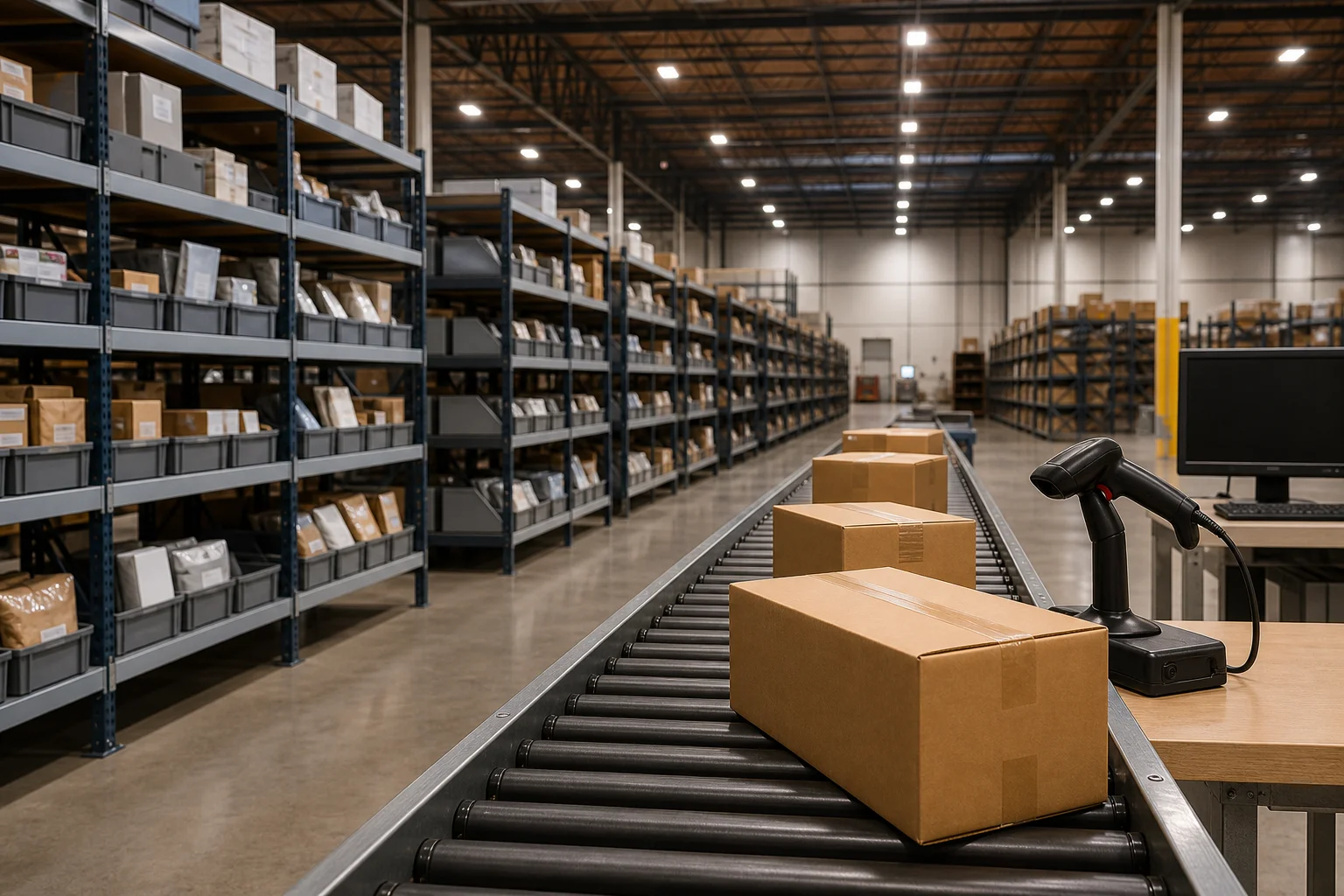
Order tracking in a professional pick pack operation starts at receiving and runs through to the final carrier scan. Warehouse management systems assign a pick list to each order, confirm unit counts at pack stations, and generate a tracking number before each shipment leaves the dock.
For customers, order tracking is a baseline expectation. For operations managers, it is also a diagnostic tool. Patterns in tracking data, such as consistent delays at one station or elevated exception rates on a specific carrier lane, point to process issues that can be corrected before they compound.
Accuracy in order fulfillment is measured at two levels. Item-level accuracy tracks whether the right SKUs in the right quantities made it into each box. Order-level accuracy tracks whether the shipment reached the right destination in good condition. Both metrics feed directly into your cost-per-unit calculations and long-term customer retention. Consistent accuracy also reduces the customer service load tied to order exceptions, which carries real operational cost even when it does not appear on a fulfillment invoice.
For a broader view of how technology is reshaping accuracy and tracking in warehouse operations, see Staffing the Future: How Technology is Transforming Warehouse Labor.
Choosing a Dallas Pick and Pack Fulfillment Partner That Fits Your Volume
Not every fulfillment services provider is built for the same type of business. Some focus on high-velocity ecommerce with thousands of daily orders. Others specialize in lower-volume products with complex packaging requirements. Before committing, understand minimum volume thresholds, technology integrations, and whether cost-per-unit pricing is transparent or bundled with variable fees.
Ask directly about how storage is charged, whether receiving is billed separately, and what the fee structure looks like during Q4 surges. A partner providing reliable dallas fulfillment should answer those questions with specific numbers. Vague responses on pricing are a signal to keep looking.
For a structured evaluation framework, how to choose a dtc fulfillment partner: 12 questions to ask covers contract structure, SLA expectations, and platform integration criteria.
Also useful for operations teams building a complete picture of warehouse workflows: Warehouse Duties Explained: A Comprehensive Guide for Operations Managers.
Frequently Asked Questions
What does dallas pick and pack fulfillment include?
Dallas pick and pack fulfillment typically covers pulling the correct SKUs from inventory, packing them into the right box or mailer, applying a shipping label, and staging the shipment for carrier pickup. Most providers bill storage, inbound receiving, and special handling separately from the base per-unit rate. Confirm the full fee breakdown before signing any fulfillment agreement.
How does cost-per-unit pricing affect margins?
Cost-per-unit pricing lets you calculate fulfillment cost on every order before it ships. When that number is fixed, you can set product pricing and run promotions with full visibility into fulfillment costs at scale. Variable hourly labor models make that calculation harder because throughput rates fluctuate, particularly during peak periods when order volume surges.
Is Dallas Fort Worth a cost-effective location for national ecommerce shipping?
Yes. The Dallas Fort Worth metro sits near the geographic center of the continental US with strong highway, rail, and air freight infrastructure. Ground shipments from Dallas reach most of the US within two to three business days, keeping shipping zone costs lower than comparable operations on either coast.
What should I look for in a dallas fulfillment center?
Look for transparent per-unit pricing, real-time order tracking integration, documented accuracy rates, and clear SLAs for same-day processing. Ask about ecommerce platform integrations, how inbound receiving is managed, and what the escalation process looks like when an error occurs. References from current clients at similar volume levels are worth requesting before signing.
How does pick pack fulfillment scale during peak seasons?
A capable pick pack fulfillment partner maintains buffer capacity for seasonal volume increases. Ask prospective partners about their Q4 staffing model, historical accuracy rates during peak periods, and whether any services carry surcharges when volume spikes. Planning for peak well in advance is far easier than sourcing dallas fulfillment capacity in November.
Let Humano Handle Your Dallas Fulfillment From Day One
If your business is ready to let Humano handle pick pack fulfillment solutions in the Dallas Fort Worth area, the next step is a direct conversation about your volume, SKU mix, and shipping requirements. Contact the Humano team to discuss what your operation needs.