
southern california pick and pack cost per unit
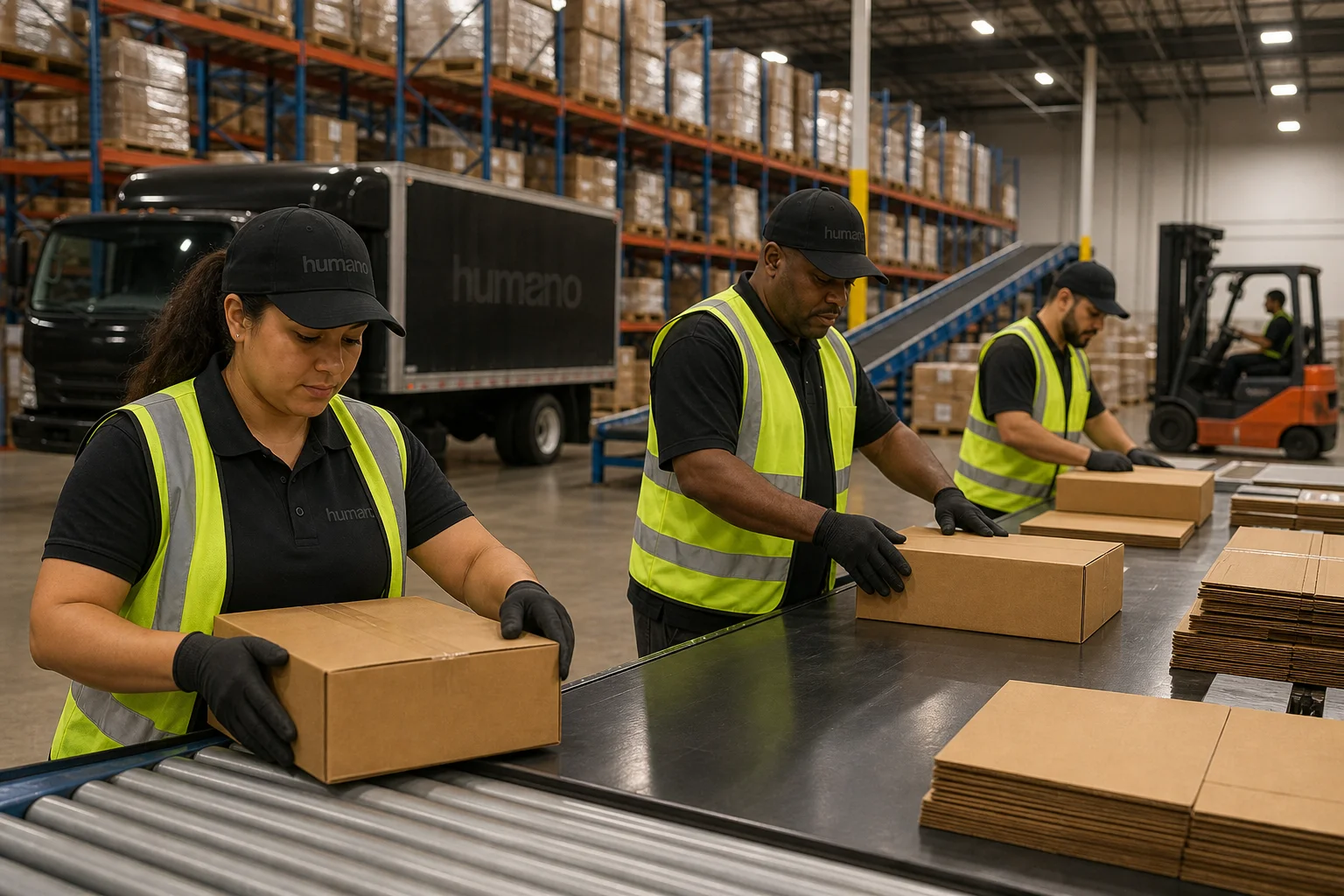
For brands managing order fulfillment near the Los Angeles and Long Beach ports, southern california pick and pack cost per unit is shaped by SKU count, order volume, packaging complexity, and regional labor rates. Knowing what drives these numbers helps you benchmark fulfillment services accurately and avoid cost surprises as your supply chain grows. Explore our Services.
By Humano Team, Logistics & Lumper Specialists
The cost to pick pack a single order is not a flat fee. Several variables stack on top of each other, and in Southern California, labor and real estate costs push that base rate higher than many inland markets.
Key cost drivers include:
Labor rates: Warehouse labor in Los Angeles County runs above the national average. California's minimum wage increases have pushed hourly labor costs up, and urban markets like Los Angeles command higher pay than rural or Midwest fulfillment hubs.
Packaging materials: Custom packaging, inserts, tissue paper, and branded boxes all add to the per-unit cost. Standard poly mailers and plain cartons keep rates lower; custom requirements increase them.
SKU complexity: A fulfillment center handling hundreds of SKUs across multiple product categories needs more time per pick, which increases the per-unit rate. Simple, high-velocity SKUs cost less to handle.
Order volume: Higher monthly order volume generally means lower per-unit rates. Most fulfillment providers structure pricing so that brands hitting certain volume thresholds unlock tiered rates.
Storage and handling fees: Inbound receiving, pallet handling, and bin storage all factor into the total cost of fulfillment, even if they are not technically pick pack line items.
The Warehousing Education and Research Council (WERC), in their annual DC Measures benchmarking report, found that direct labor accounts for the largest share of fulfillment center operating costs, often exceeding 50% of total facility spend (WERC, DC Measures, 2023). That matters in Southern California, where labor is a premium.
How Order Volume Shapes Your Pick Pack Fees
Order volume is the single biggest lever you have over your per-unit rate. Fulfillment providers price per-unit rates on volume tiers, and a brand shipping 500 orders per month pays a meaningfully different per-pick rate than one shipping 5,000.
For brands scaling in the Los Angeles market, this creates an important planning consideration. If your current order volume puts you at a higher rate tier, projecting growth accurately can help you negotiate a better rate in advance rather than waiting to hit the next tier organically.
Staffing model matters too: dedicated lumper crews price differently than hourly temp labor, and that choice affects your pick pack rate as much as order volume does. Our lumper crews vs temp labor comparison breaks down how each staffing model affects pick pack costs and your overall fulfillment bill.
Understanding how monthly volume interacts with pick pack fees is critical before signing any fulfillment services contract. A 20% growth projection can shift your price tier, and negotiating that upfront saves on per-unit charges from day one.
FBA Prep Services and Their Impact on Per-Unit Costs
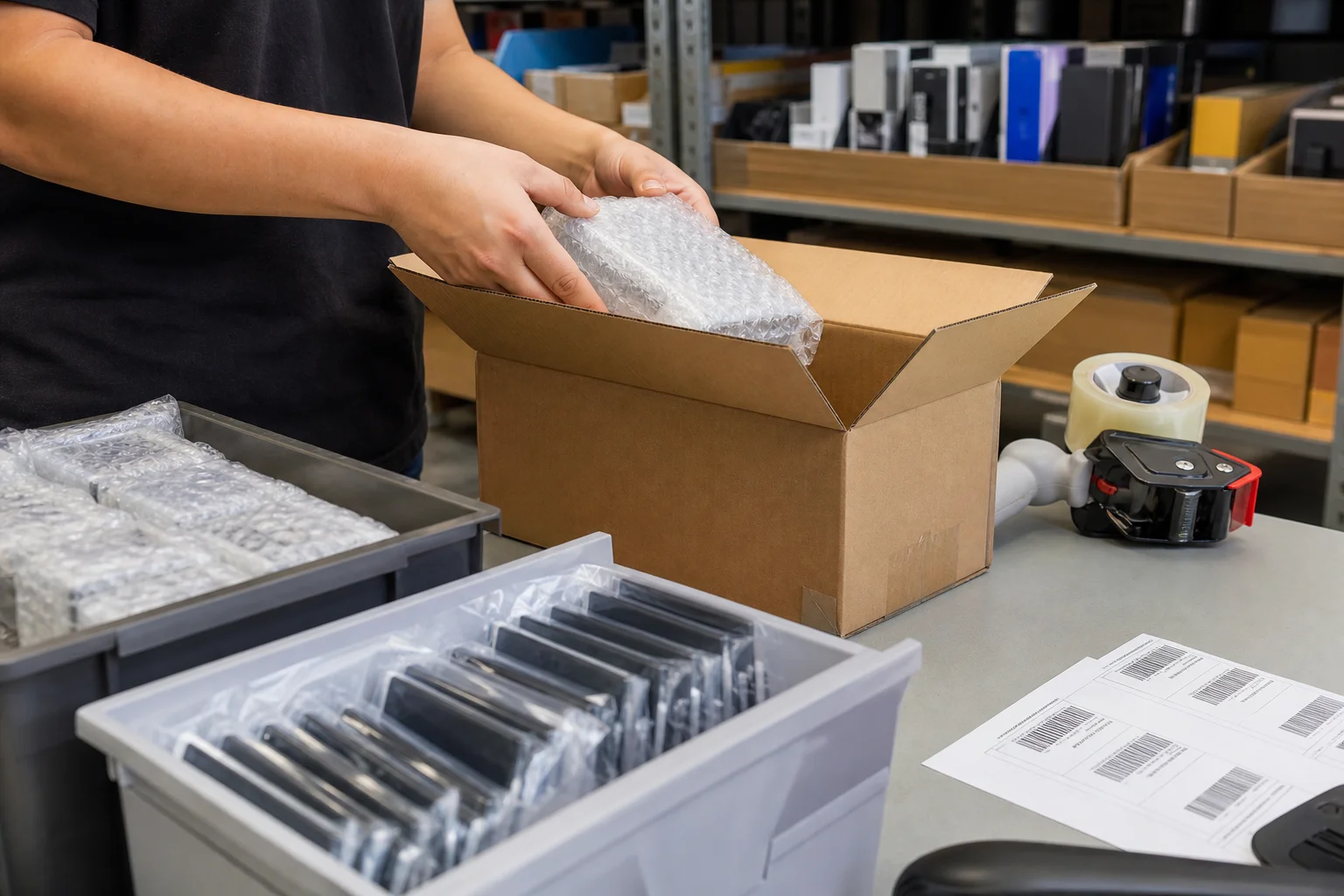
FBA prep is a specific subset of fulfillment services that requires trained warehouse staff and precise execution. In Southern California, brands positioned near the Long Beach and Los Angeles ports often move containers directly into fulfillment centers for prep before sending inventory to Amazon distribution points.
The cost of FBA prep per unit typically includes:
- Labeling (FNSKU barcodes)
- Poly bagging for eligible products
- Bubble wrap or additional protective packaging
- Quality inspection and sorting
- Carton labeling for inbound shipments
Each of these adds to your per-unit cost, and they vary by product type. A fragile item that requires bubble wrap costs more to prep than a standard book or simple apparel item.
For brands managing Warehouse Labor requirements at scale, having a clear understanding of FBA prep charges adds up fast across thousands of units. Improperly prepped inventory gets flagged by Amazon, delays restocking, and creates stockout gaps that hurt your customer experience indirectly.
Southern California Supply Chain Position and Fulfillment Costs
The Los Angeles and Long Beach ports handle a significant share of U.S. containerized imports, according to Port of Los Angeles and Port of Long Beach annual trade statistics. That volume concentration makes Southern California a prime location for inbound fulfillment operations, but it also means competition for warehouse space, which keeps overhead costs elevated.
Brands importing goods from Asia and routing through these ports can often reduce transportation costs by placing a fulfillment center nearby, shortening the dwell time between port arrival and order fulfillment. However, the local real estate premium offsets some of those transportation savings.
For companies running transloading operations, moving freight out of an ocean container and into a domestic trailer near the port can lower per-mile trucking costs when your fulfillment center sits further inland, since it avoids paying to move an expensive ocean container beyond the port. That added handling step carries its own cost, so transloading tends to make the most financial sense when the distance and volume savings outweigh it.
Understanding how your inbound logistics costs interact with your pick pack costs is essential. The total landed cost per unit, inclusive of port fees, drayage, receiving, storage, and pick pack, is what determines whether your Southern California fulfillment strategy is actually profitable.
How to Compare Fulfillment Services and Control Pick Pack Costs
Not all fulfillment centers quote the same way. Some roll labor, materials, and overhead into a single per-unit rate. Others break everything out as individual line items, which makes comparison harder but gives you more transparency into where your fulfillment costs are coming from.
When comparing southern california pick and pack cost per unit across multiple providers, ask for quotes that specify:
- Per-pick fee (one item pulled from shelf)
- Per-unit fee (charge per individual product in the order)
- Packaging materials cost (per box, per mailer, per insert)
- Inbound receiving fee (per pallet or per unit)
- Storage fee (per pallet or cubic foot per month)
- FBA prep charges (if applicable, itemized by task)
- Additional handling fees for heavy, fragile, or oversized items
Comparing quotes requires that you know your own order profile: average items per order, monthly order volume, SKU count, average unit weight, and packaging requirements.
Choosing the right fulfillment partner comes down to asking the right questions before you sign, covering volume commitments, itemized fees, and prep requirements. Our DTC fulfillment partner checklist walks through that full evaluation framework, including the questions most brands miss until after they have signed a contract.
Frequently Asked Questions
What is the average southern california pick and pack cost per unit?
Pick and pack cost per unit in Southern California varies based on order volume, product complexity, and packaging requirements. Brands with high monthly order volumes and simple SKUs typically see lower per-unit rates. Lower-volume brands or those with complex FBA prep requirements pay more. Always request itemized quotes to understand exactly what each rate includes before committing to a fulfillment center.
How does FBA prep affect my pick pack fees?
FBA prep adds per-unit charges on top of standard pick pack fees. Labeling, poly bagging, bubble wrapping, and carton mapping each carry a separate cost. The total FBA prep cost per unit depends on your product type and how many prep tasks Amazon requires for your specific ASIN categories. These fees are separate from and additional to your base order fulfillment rate.
Why are fulfillment costs higher in Southern California than in other regions?
Labor costs, warehouse real estate premiums, and high demand for space near the Los Angeles and Long Beach ports keep Southern California fulfillment costs above national averages. Brands accept this tradeoff when proximity to the ports meaningfully reduces inbound transportation costs or shortens delivery times to West Coast customers.
What is included in a pick pack fee?
A standard pick pack fee covers pulling items from storage, packing them into a shipping container, and preparing the parcel for carrier pickup. Packaging materials may or may not be included depending on the provider. Always confirm whether materials are bundled into the rate or charged separately, as this significantly affects your total per-unit cost.
How does order volume affect pick pack pricing?
Higher monthly order volume generally unlocks lower per-unit rates through volume tiers. A brand shipping 10,000 orders per month has significantly more pricing leverage than one shipping 300. If you are projecting growth, discuss tiered pricing during contract negotiations rather than waiting to hit each volume threshold after signing.
Partner with a Southern California Fulfillment Operations Team
Controlling your southern california pick and pack cost per unit starts with choosing the right partner, one that understands regional labor, port proximity, and the specific requirements of your order fulfillment workflow. Contact us to discuss your volume, SKU profile, and fulfillment goals.