
Staffing the Future: How Technology is Transforming Warehouse Labor
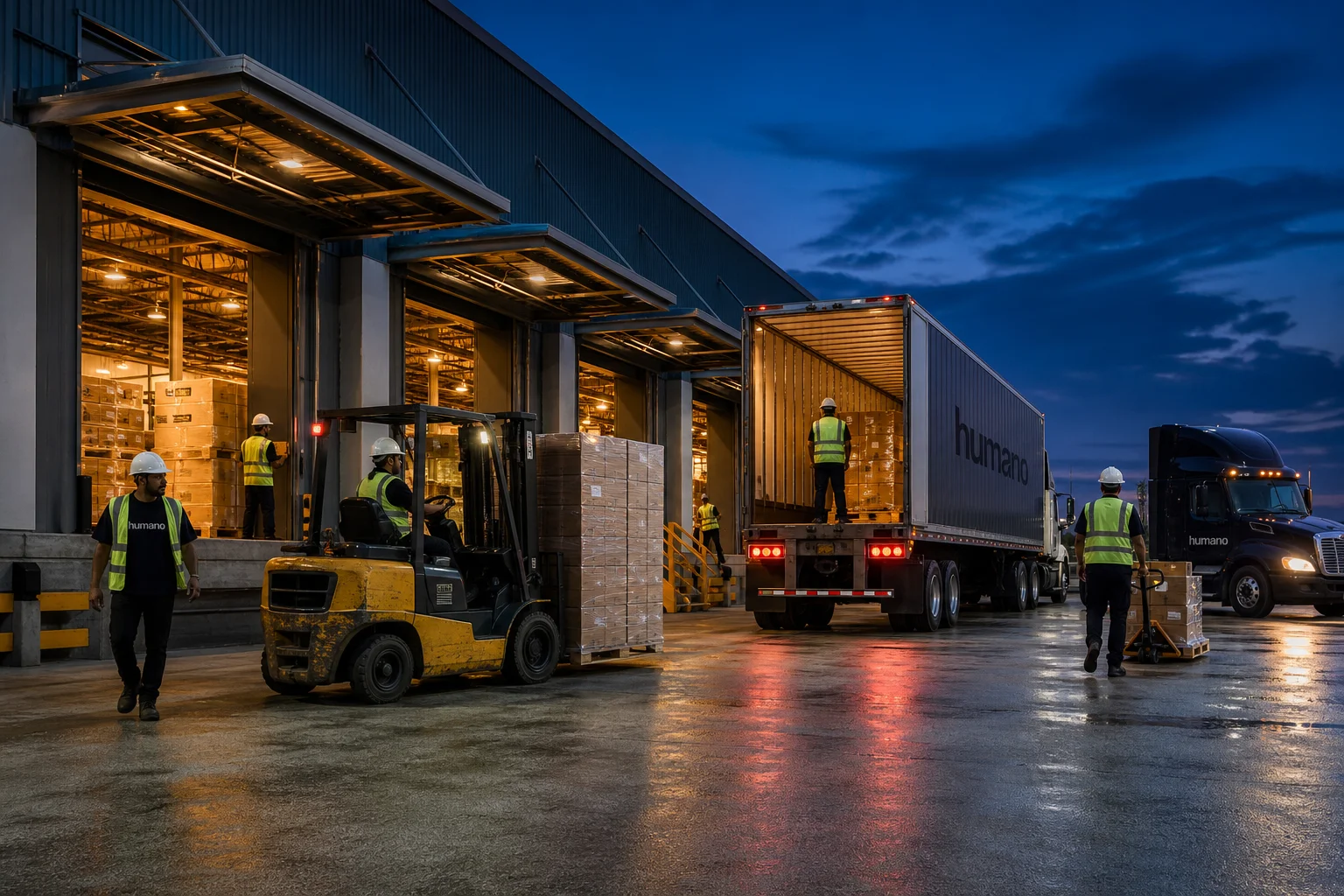
Staffing the future of warehouse labor means more than filling open shifts. Technology is reshaping how logistics companies recruit, deploy, and retain frontline workers, from AI-driven applicant screening to real-time workforce management platforms. For operations managers and supply chain directors, understanding these shifts is now a competitive requirement.
How Automation Is Reshaping Warehouse Roles
Automation has changed what warehouse jobs look like, but it has not eliminated the need for people. Robotic picking systems, conveyor automation, and inventory drones handle repetitive tasks that once required large headcounts. At the same time, these systems create new roles: machine operators, maintenance technicians, and supervisors who can manage both human teams and automated equipment.
The result is a bifurcated labor market. Companies that once hired exclusively for physical throughput now need workers with basic technical literacy alongside physical capability. Staffing agencies that understand this shift can place better candidates faster, while firms that have not adapted are ceding ground in a competitive market.
The staffing industry is not being replaced by automation. It is being forced to evolve, and the agencies leading that evolution are building advantages that will compound over time.
Beyond roles, automation is also changing the skills profile that staffing agencies must screen for. Pre-automation, a reliable physical presence and work ethic were the primary hiring criteria for most warehouse positions. Today, operations managers increasingly ask for workers who can read a tablet, follow digital pick lists, and respond appropriately when automated systems flag an error or require human intervention. Screening and recruiting for this broader skill set requires agencies to update their assessment tools and job descriptions, not just their technology infrastructure.
AI and Data-Driven Recruitment in the Staffing Industry
Artificial intelligence is changing how staffing firms source, screen, and match candidates to open positions. AI-powered applicant tracking systems can scan resumes, flag relevant experience, and rank candidates by fit, reducing time-to-fill on high-volume roles. Predictive analytics tools help agencies identify which candidates are likely to show up, stay on assignment, and perform well, based on historical placement data.
According to research published by Deloitte in their 2023 Global Human Capital Trends report, organizations using AI-assisted hiring tools report measurable reductions in screening time and improvements in placement quality. For logistics staffing, where a single unreliable shift can delay a shipment, placement quality is not an abstract metric. It directly affects client business operations.
Staffing agencies that invest in these tools can deliver more reliable candidates, respond faster to urgent requests, and build stronger client relationships. The recruiting landscape is shifting toward data-driven decision-making, and the staffing industry is not exempt from those trends.
On-Demand Platforms and Flexible Workforce Models
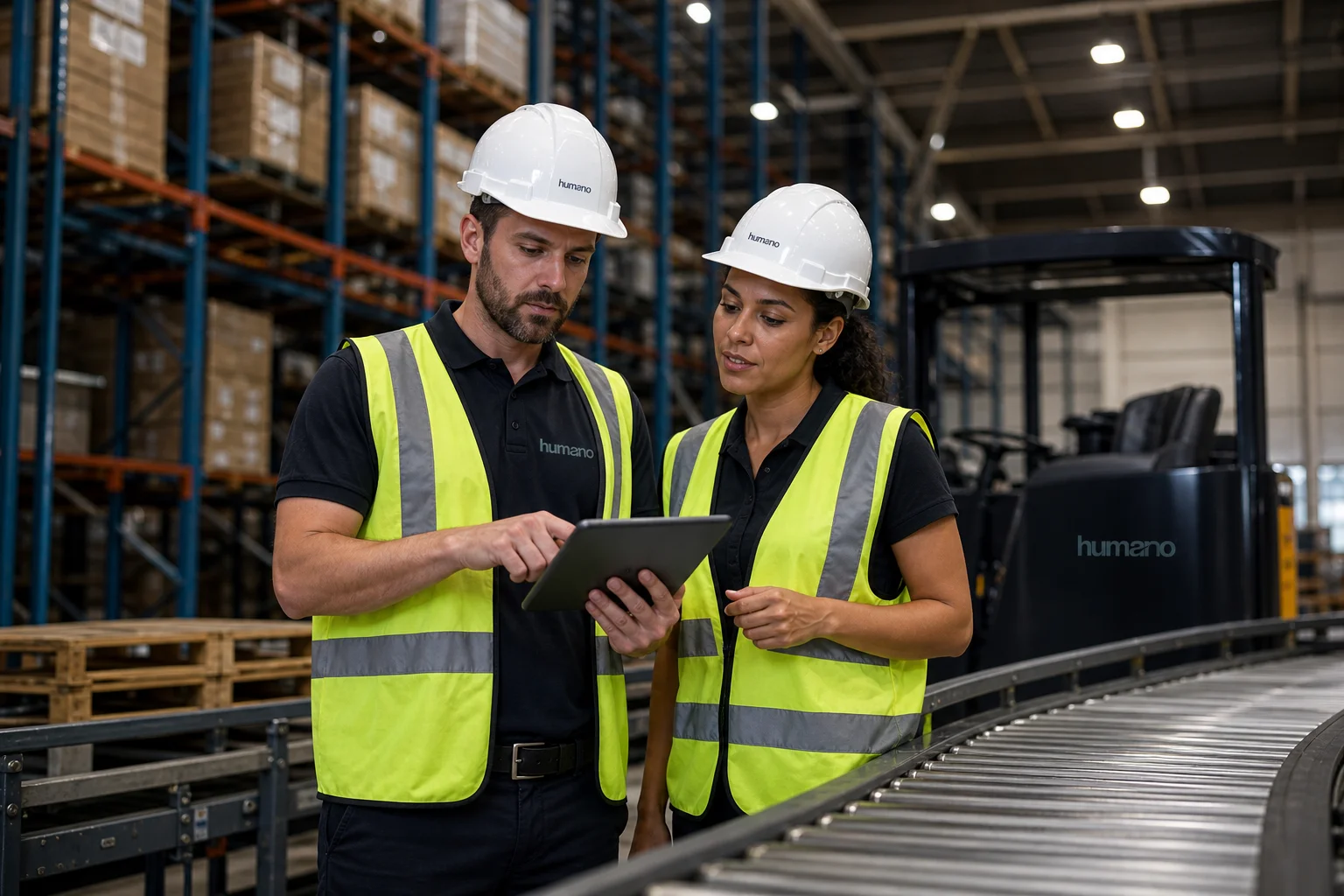
The gig economy has reached industrial staffing. On-demand labor platforms now allow companies to post open shifts and fill them within hours, drawing from pools of pre-vetted workers who opt in for short-term assignments. For warehouse managers dealing with volume spikes, seasonal surges, or unexpected absences, this flexibility is operationally significant.
However, on-demand platforms introduce their own challenges. Turnover is high, onboarding is compressed, and workers who cycle between multiple clients in a week are rarely fully integrated into any single operation. The platforms that succeed are those that invest in pre-qualification, training, and candidate experience, making it attractive for reliable workers to return repeatedly.
The staffing firms that capture the most value from on-demand platforms are those that use them strategically rather than reactively. Filling last-minute gaps is a commodity play. Building a bench of reliable, pre-trained workers who know a client's specific operational standards is a service. That distinction separates high-value staffing partners from simple temp agencies.
For clients, the question is not whether to use flexible staffing, but how to structure it. A hybrid model, combining a reliable core team with on-demand capacity for overflow, gives operations managers both stability and scalability. Humano's warehouse labor solutions are built around exactly this kind of flexible, scalable approach for distribution and logistics operations.
Candidate Experience as a Competitive Advantage
The labor market for warehouse and logistics roles remains competitive. Workers have options, and they remember which companies and agencies treated them well. Candidate experience, meaning the quality of the application process, the clarity of communication, and the speed of placement, has become a direct driver of talent supply.
Staffing firms that offer mobile-friendly applications, fast feedback loops, and transparent scheduling attract better workers and retain them longer. Those that make candidates wait or communicate poorly lose talent to agencies that have already optimized the hiring process.
This matters especially in logistic lumper services and container operations, where skilled, experienced workers are in short supply. When a lumper crew knows they will be treated fairly, paid on time, and dispatched efficiently, they become a reliable, repeatable asset. Building that reputation requires intentional investment in how workers experience the entire recruitment and assignment process.
What Technology Cannot Replace in Warehouse Staffing
Technology improves speed, consistency, and data visibility. It does not replace the judgment, accountability, and adaptability that experienced logistics workers bring to complex operations. A warehouse supervisor managing a container unloading operation during a system outage, or a lumper crew adapting when a shipment arrives damaged, is drawing on skills no algorithm can replicate.
The staffing future belongs to firms that treat technology as a complement to their service model, not a replacement for it. The future staffing model that succeeds in this industry uses digital tools to reduce friction and improve matching, while preserving the human relationships that make staffing partnerships actually work. Clients who reach a person who knows their operation. Workers who feel they matter beyond the shift they are filling.
Staffing the future of warehouse labor means using every available tool while keeping people at the center of the operation.
Frequently Asked Questions
How is technology changing the staffing industry for warehouse roles?
Technology is accelerating candidate sourcing, improving screening accuracy, and enabling faster deployment of workers. AI-powered tools help staffing firms match candidates to roles based on skills, reliability history, and availability. For warehouse operations, this means faster time-to-fill and better placement quality on roles like lumper services, container loading, and general warehouse labor.
What is candidate experience and why does it matter for logistics staffing?
Candidate experience refers to how job seekers perceive the hiring process, from application through placement. In a competitive labor market, agencies that offer clear communication, fast feedback, and respectful treatment attract and retain better workers. Poor candidate experience drives qualified workers toward competitors, shrinking the available talent pool for clients who depend on consistent staffing.
Will automation eliminate warehouse jobs?
Automation eliminates specific tasks, not entire job categories. As robotic systems take over repetitive picking and sorting, demand grows for workers who can operate and support those systems. Net job displacement in warehousing has been modest relative to e-commerce-driven logistics growth, according to Bureau of Labor Statistics occupational projections published through 2024.
How should companies evaluate a logistics staffing agency?
Look for agencies with direct experience in your operational category, whether that is container unloading, transloading, or warehouse labor. Ask about screening processes, average time-to-fill, and worker retention rates. Agencies with technology-backed recruiting and a strong candidate experience track record consistently outperform those relying on manual methods alone.
What is the benefit of using a specialized logistics staffing firm?
Specialized firms understand the physical demands, safety requirements, and operational rhythms of warehouse and distribution work. They pre-screen for relevant physical capabilities and can deploy experienced teams on short notice. This reduces onboarding friction, lowers the risk of no-shows, and minimizes underperformance on critical shifts across the business.
Humano specializes in scalable warehouse staffing solutions built to meet the demands of modern distribution operations. Contact Humano today to discuss how our logistics staffing teams can support your workforce.