
national lumper program vs a regional crew provider: what changes when you consolidate inbound labor
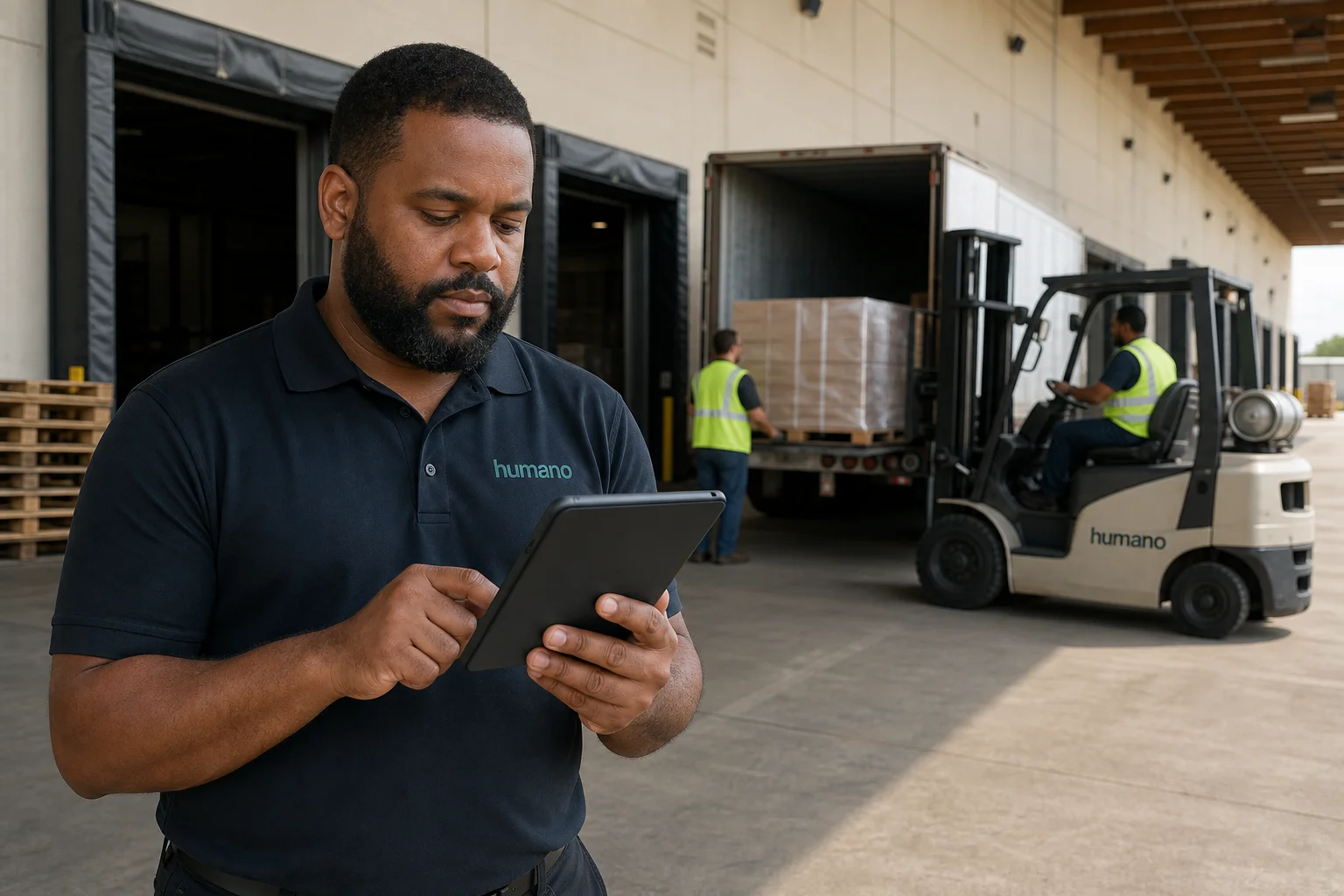
Comparing a national lumper program vs a regional crew provider isn't just a pricing exercise. Consolidating inbound labor under one provider changes who answers when a dock is short-staffed, how lumper fees get set, and whether every warehouse gets the same Logistic Lumper Services standard or a patchwork of local vendors.
By Humano Team, Logistics & Lumper Specialists
What Is the Difference Between a National Lumper Program and a Regional Crew Provider?
A regional crew provider staffs lumper services for warehouses and distribution centers within one metro area or state, usually through a single local office that hires, schedules, and invoices independently. A national lumper program does the same work, unloading trailers, sorting freight, and building outbound pallets, but runs it through one contract, one rate card, and one point of contact across every facility a company operates, regardless of state.
Both models put the same lumpers on the same trailers doing the same work at the dock; the difference is structural, not physical. What changes is who owns consistency: a regional provider optimizes for one market, while a national program optimizes for the company's entire footprint.
What Is a Lumper Service in Warehouse and Freight Logistics?
A lumper service is third-party labor, often called freight handlers, hired to load or unload freight at a dock, work that would otherwise fall to the driver or in-house warehouse staff. Carriers and receivers use lumper services to keep drivers moving and docks staffed without adding headcount, and lumper fees are typically billed per load, paid by the carrier, the receiver, or split by prior agreement.
What Actually Changes When You Consolidate Inbound Labor Under One National Program?
Consolidating multiple regional crews into one national lumper program collapses several vendor relationships into one contract. Instead of negotiating pricing, payment terms, and coverage separately with a provider in each region, a company sets one rate structure and one invoicing cycle that applies everywhere. This kind of consolidation is increasingly common as freight networks expand to multiple sites.
That consolidation also standardizes training and safety protocol. A national provider runs the same onboarding, PPE requirements, and dock procedures at every site, so a crew in one state handles freight the same way a crew three states away does. Regional providers vary more here, since each builds its own hiring and training process independently.
The tradeoff shows up in coordination. A regional provider's owner often knows the receiving manager by name and can adjust same-day. A national program routes that same request through a shared operations team, faster to scale but slower to personalize. Companies running five or more warehouse locations generally see the consolidation benefit outweigh the coordination tradeoff; companies running one or two sites often don't.
Does a National Lumper Program Cost More or Less Than Regional Crews?
Pricing usually moves with volume. A company consolidating freight across many docks typically negotiates a lower blended rate under a national lumper program than it would paying each regional crew provider's independent rate card, because the national provider is pricing a larger, more predictable volume of freight. A company with light or seasonal freight at only one or two docks may not generate enough volume to unlock that pricing advantage, and a regional provider's more flexible, lower-commitment structure can come out ahead.
Is It Cheaper to Use One National Program Instead of Separate Regional Providers?
It depends on how consistent your freight volume is across sites. Dedicated lumper crews billed at a cost-per-unit rate tend to reduce cost more reliably than hourly regional crews once volume is steady, and a national program can extend that structure to every warehouse instead of just one. Facilities with unpredictable freight often still pay less piecing together regional crews as needed.
How Does Coverage and Staffing Consistency Change Across Multiple Warehouse Locations After Consolidation?
One of the clearest gains under a national lumper program is coverage. A single national provider can pull crew from a regional bench when one site calls out sick or gets a surge of inbound freight, because the whole network is staffed and scheduled from one system. A regional crew provider, by contrast, is limited to the labor pool in one metro area, so a callout at a single site has nowhere to draw backup from.
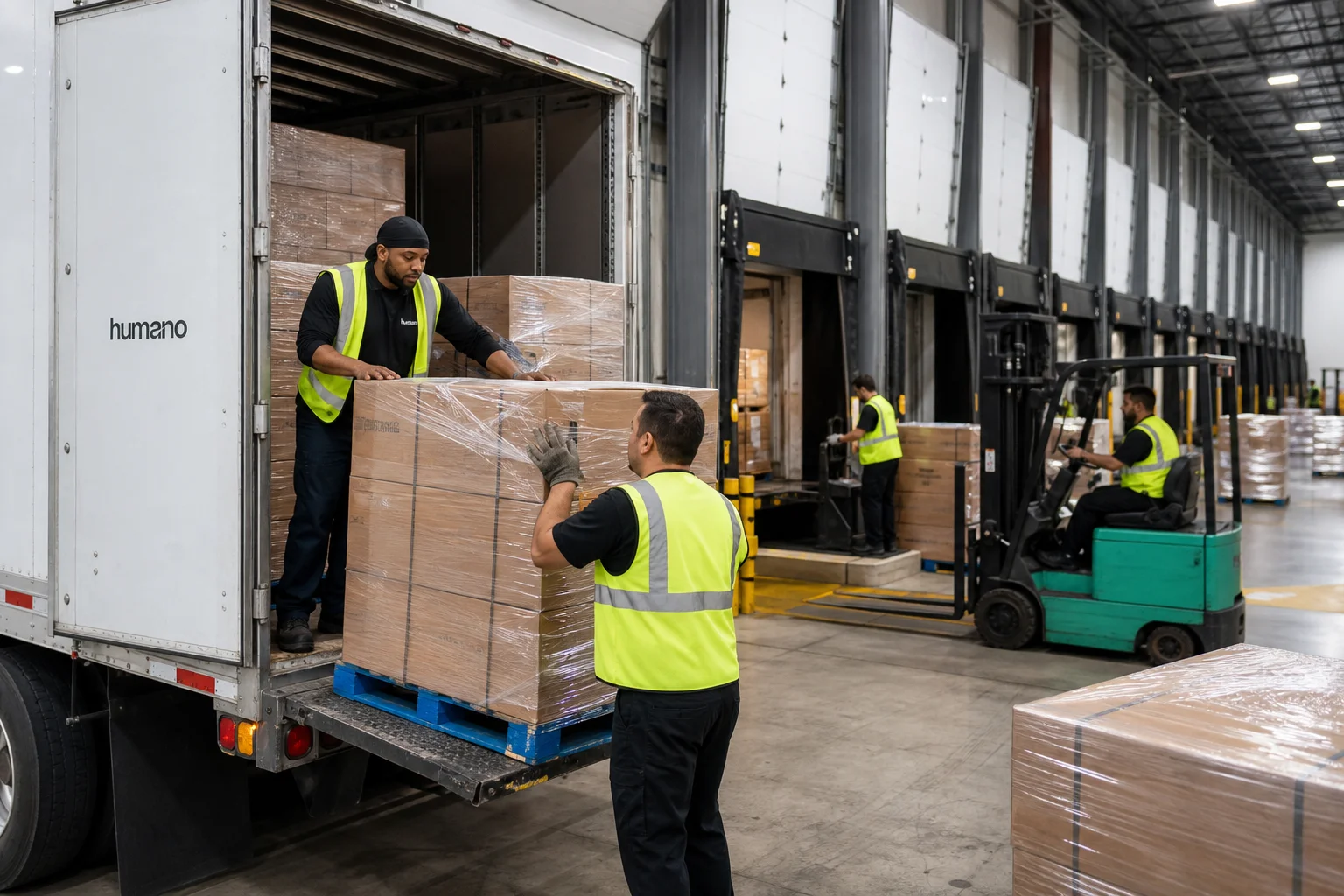
That same network effect improves staffing consistency. Companies running several distribution centers typically see fewer no-show gaps and more predictable crew size once every site pulls from the same national labor pool instead of five separate local ones. Some providers pair this with labor management software that tracks crew hours and dock throughput in real time, giving a company one dashboard instead of five separate reports to reconcile. The same contract can also flex into broader Warehouse Labor support beyond lumper crews when a site needs extra hands during peak season.
What Local Flexibility Do You Lose When You Switch From a Regional Crew Provider to a National Program?
The biggest loss is usually informal, same-day flexibility. A regional provider's local ownership can often say yes to a last-minute schedule change with one phone call, since they staff one market and know its labor pool directly. A national program still accommodates changes, but the request typically routes through a shared operations team rather than a single local owner, which can add a step even when the outcome is the same.
Who Is Accountable When Something Goes Wrong Under a National Lumper Program vs a Regional Crew Provider?
Accountability is one of the sharpest differences. Under a regional crew provider, the same local owner who staffs your dock usually answers for damaged freight, a missed unload, or a safety incident, since there's no larger organization to route the issue through. Under a national lumper program, accountability sits with the contract, not a single person: a company reports the issue through the provider's shared operations team, which investigates against the same standard used at every other site.
That structure matters most for freight claims and insurance. A national provider typically carries a standard liability and workers' compensation program that applies uniformly across every warehouse it staffs, so a claim from one site gets handled the same way a claim from another does. A regional crew provider's coverage can vary from one market to the next, since it may be a smaller operator with different insurance limits and documentation practices than the next region over.
How Do You Decide Between a National Lumper Program and a Regional Crew Provider for Your Facilities?
Weighing a national lumper program vs a regional crew provider usually comes down to footprint and volume. A company running freight through one or two docks in a single metro area typically gets better service and pricing from a regional crew provider, since that provider is built to optimize one market with deep local experience. A company running freight across multiple states, or one actively adding warehouse locations, generally benefits more from a national lumper program's standardized pricing, training, and reporting.
What Should You Ask a National Lumper Provider Before Consolidating Your Crews?
Before signing a national contract, ask how the provider sets pricing across regions, whether lumper fees are billed per load or hourly, and whether the same rate card applies at every site or varies by market. Ask who the crew actually reports to at each dock, since some national programs subcontract certain regions to local labor and resell that coverage under one invoice. Confirm how the provider handles a callout or coverage gap, and ask for the actual response time it guarantees, not just the one it advertises. Finally, ask what training and safety documentation a crew carries between sites, since that consistency is the main reason companies consolidate in the first place.
Frequently Asked Questions
Can you mix a national lumper program with regional crews at different sites?
Yes. Many companies run a national lumper program at their highest-volume distribution centers and keep a regional crew provider at one or two smaller or newer sites where volume doesn't yet justify the national rate structure. The two aren't exclusive, though managing two contracts adds back some of the coordination overhead consolidation is meant to remove.
How long does it take to transition inbound labor from regional crews to a national program?
Timelines vary by how many sites are converting and whether the incumbent regional provider requires a formal contract exit. A single-site transition can often move in a few weeks once training and scheduling are set; a multi-site rollout across several states usually phases in site by site over one to two quarters so dock coverage never has a gap.
Is it cheaper to use one national lumper program instead of separate regional providers?
Usually, once freight volume across sites is steady and high enough to unlock blended pricing. Companies with light, seasonal, or unpredictable freight at only one or two docks may still pay less using a regional crew provider's flexible, lower-commitment rate structure, since a national program's savings depend on consistent volume across the network.
How do you decide between a national lumper program and a regional crew provider for your facilities?
Match the model to your footprint. A single-market operation generally gets better service and pricing from a regional crew provider built around that one area, while a multi-state or growing footprint generally benefits more from a national lumper program's standardized pricing, training, and accountability across every site.
Get a Straight Answer on What Your Facilities Actually Need
Learn how your freight volume, dock count, and current lumper fees stack up before you change anything. Contact Humano's team for a direct read on whether a national lumper program or a regional crew provider fits your facilities better.