
Lumping Trucks: Best Practices for Safe and Efficient Freight Unloading
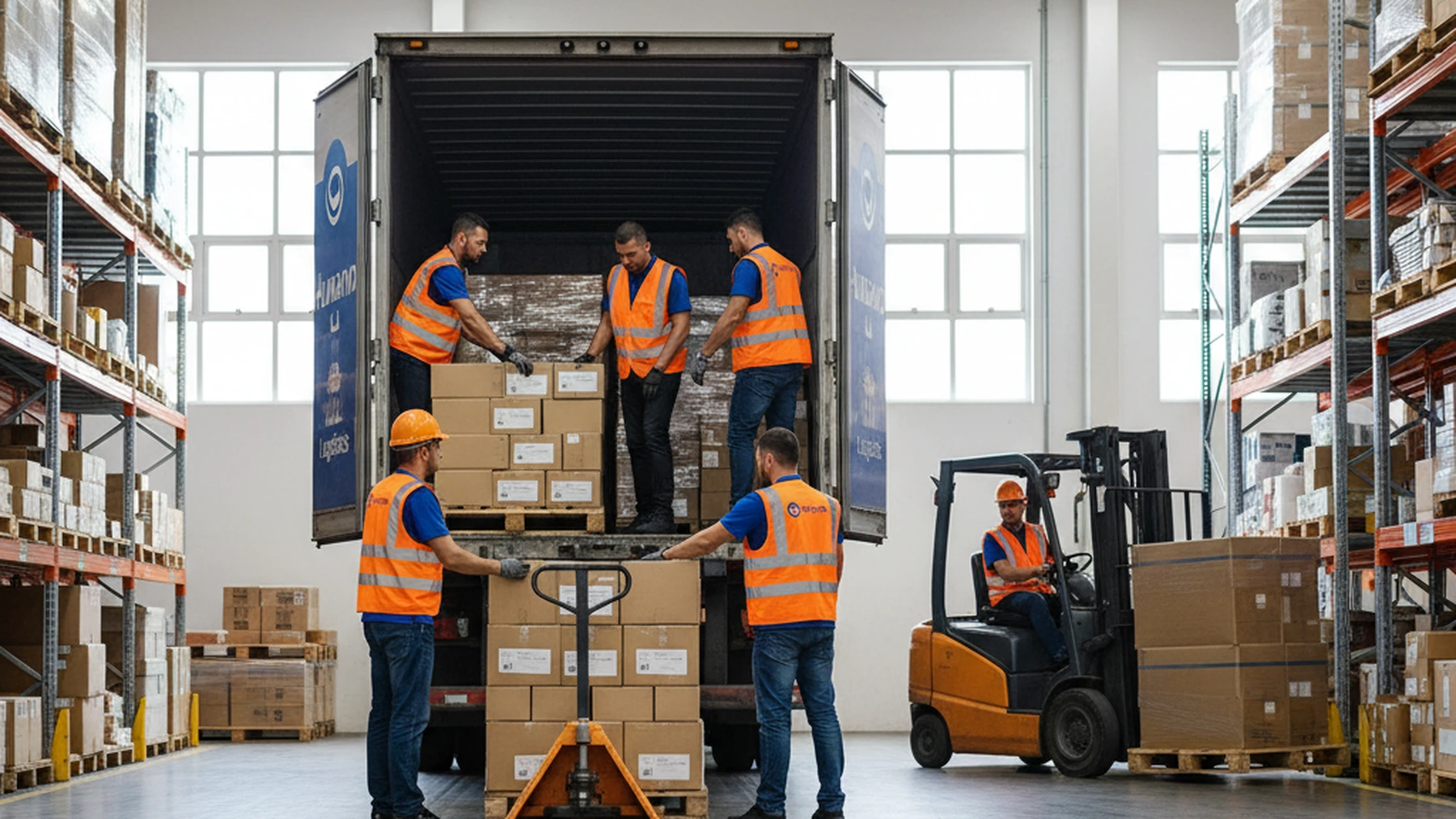
Lumping trucks refers to the professional process of unloading freight from trailers and containers using trained labor crews called lumpers. Done right, it accelerates dock throughput, reduces cargo damage, and keeps operations on schedule. This guide covers the best practices every distribution center and warehouse operation should follow.
What Is Lumping in Freight Operations?
The term "lumping" has roots in early American logistics, describing the physical labor of moving large, heavy loads from ship holds and, later, truck trailers. Today, lumpers are trained freight unloading specialists who work at distribution centers, warehouses, and cross-dock facilities across the country.
When a truck arrives at a receiving dock, lumpers are responsible for offloading the cargo, often sorting and staging freight by SKU, pallet position, or delivery zone. The precision required is significant. A crew that handles lumping trucks efficiently can turn a trailer in under two hours. A crew that works without clear procedures creates bottlenecks that ripple through an entire facility's operations for the rest of the shift.
For operations managers, understanding what professional lumper services actually involve is the first step toward building faster, safer unloading workflows.
Common Freight Unloading Challenges
Before outlining best practices, it helps to understand where unloading operations most commonly break down.
Inconsistent crew preparation. Lumpers who arrive without a briefing on cargo type, trailer configuration, or dock assignment waste time during the critical first minutes of an unload.
Poor dock coordination. When inbound scheduling is not synchronized with lumping crew availability, trailers sit at the door longer than necessary. Detention time accumulates, carriers get frustrated, and receiving throughput suffers.
Inadequate equipment staging. Pallet jacks, hand trucks, and conveyor belts not positioned before a trailer backs in slow down every minute of the unloading process. Heavy freight especially requires the right equipment ready at the dock before the door rolls up.
Safety gaps. Rushing crews or skipping safety checks leads to injuries. Back strain, dropped cargo, and forklift-pedestrian conflicts are the most common incidents in warehouse receiving operations.
Lack of documentation discipline. Freight that moves from the trailer to the floor without proper count verification creates downstream inventory problems that are far harder to resolve after the fact.
Best Practices for Safe Truck Unloading
Safety in lumping operations is directly connected to efficiency. Crews that work safely work faster over time because they avoid injuries, equipment damage, and cargo loss.
Conduct a Pre-Unload Safety Check
Before any crew member steps into a trailer, the dock supervisor or lead lumper should verify:
- The trailer is properly chocked and secured to the dock leveler
- The dock plate is rated for the expected load
- Lighting inside the trailer is adequate
- Cargo configuration does not present an immediate collapse risk
- PPE including steel-toe boots, back supports, and high-visibility vests are worn
This check takes less than three minutes and eliminates the most common causes of lumping accidents.
Assign Roles Before the Door Opens
Efficient lumping truck operations rely on clear role assignments. A crew without defined roles defaults to improvisation, which causes congestion at the trailer mouth and inefficient cargo flow.
Standard role breakdown for a lumping crew:
| Role | Responsibility |
|---|---|
| Lead Lumper | Directs cargo flow, communicates with dock supervisor |
| Offload Crew | Works inside the trailer, moves freight to the dock plate |
| Staging Crew | Receives cargo at the dock, palletizes or zones by SKU |
| Equipment Operator | Moves loaded pallets with pallet jack or forklift |
Even a two-person crew benefits from defined handoff points. The lead lumper keeps the operation moving at a sustainable pace.
Use Proper Techniques for Heavy Freight
Heavy freight is the leading cause of lumper injury. Core lifting rules for lumping truck operations:
- Lift with the legs, not the back
- Keep loads close to the body during carrying
- Use team lifts for any item over 50 pounds
- Use mechanical assists for items over 75 pounds when possible
- Pivot with the feet rather than twisting while holding a load
Maintain Clear Pathways Throughout the Unload
Congested dock floors create accident conditions. Pathway management requires active attention as cargo moves from trailer to staging area:
- Mark pedestrian zones with floor tape and enforce them during busy unloads
- Keep forklift traffic lanes separate from hand-carry routes
- Remove empty pallets from the dock face as they accumulate
- Do not allow freight to stack at the dock plate mouth while unloading continues
Freight Unloading Procedures That Reduce Delays
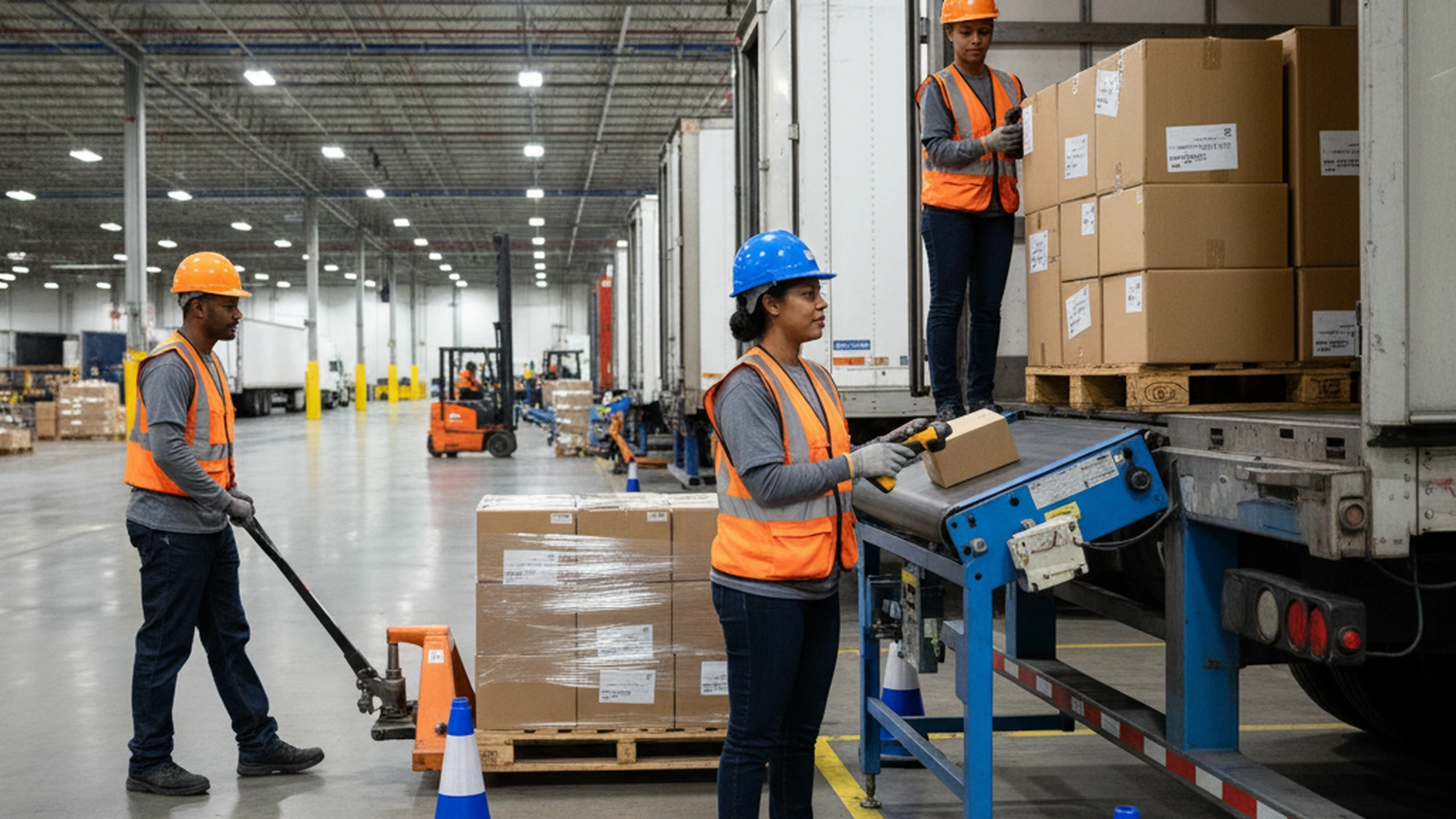
Speed in lumping operations comes from preparation and process consistency, not from asking crews to move faster. Rushing unloading crews leads to dropped product, mislabeled freight, and injuries.
Build Inbound Scheduling Around Crew Capacity
The number of lumpers available should match inbound trailer volume. When scheduling is tight, a single trailer with a heavy, floor-loaded shipment can cascade delays if no crew is available to start immediately.
Best practice: maintain a 15 to 20 minute buffer between scheduled trailer arrivals during peak receiving windows. This gives the crew time to complete documentation on one load before starting the next.
Standardize Procedures by Cargo Type
Different freight types require different handling approaches. Standardized freight unloading procedures for each cargo category reduce decision-making time and keep crews moving efficiently.
Floor-loaded cartons: Lumpers work from the back of the trailer forward, building stable pallet stacks as they go. Conveyor systems significantly increase throughput for this cargo type.
Palletized freight: Forklifts or pallet jacks extract full pallets directly. Primary concern is pallet stability and load security before movement to staging.
Mixed freight with multiple SKUs: Requires close communication between offload and staging crews. A printed manifest at the dock speeds sorting and reduces mislabeled freight.
Refrigerated or perishable freight: Refrigerated trailers should be unloaded without interruption. The receiving cooler door should be open and ready before the delivery trailer is assigned a dock position.
Document at the Point of Receipt
Freight count verification happens at the moment cargo leaves the trailer. Every lumping truck unload should include:
- A piece count or pallet count verified against the bill of lading
- Notation of visible damage before the driver releases the load
- A signed receipt that accurately reflects any discrepancies
Operations managers who build this documentation step into standard unloading procedure protect their facilities from freight claims that otherwise become costly disputes.
How to Choose the Right Truck Unloading Services
When evaluating truck unloading services, operations managers should look beyond cost per hour.
Crew training standards. Ask specifically how lumpers are trained on safety and cargo handling. A staffing provider that invests in training produces crews that work faster with fewer incidents.
Scalability. Can the provider scale crew size on short notice during peak volume periods? Facilities that handle seasonal freight surges need a lumper services provider who can respond quickly.
Experience with your freight type. A crew experienced in container unloading from ocean freight has different skills than one specialized in dry van truckload work. For facilities that handle container unloading as part of their receiving operations, this specialized experience is critical.
Operational coverage breadth. Working with a provider who also offers warehouse labor support beyond unloading lets a single staffing relationship cover multiple operational needs without managing multiple vendors.
When to Bring In Professional Lumper Services
Many distribution centers reach a point where relying on internal staff for freight unloading creates a bottleneck. The signs that a facility needs dedicated logistic lumper services include:
- Trailers consistently sitting at the dock more than two hours before unloading begins
- Internal staff pulled from picking or packing to cover receiving, slowing downstream operations
- Rising injury rates among receiving staff
- Freight claims increasing due to damage or documentation errors at the point of receipt
- Seasonal volume spikes that exceed what permanent staff can handle safely
Professional lumper crews bring immediate capacity to these situations. Because unloading is their specialty, they work faster than generalist warehouse staff on the same task and with fewer errors.
The business case is straightforward: when the cost of lumper services is lower than the combined cost of detention time, employee overtime, injury claims, and freight losses, the decision makes operational sense.
Ready to Improve Your Freight Unloading Operations?
If your facility is struggling with dock throughput, trailer detention, or inconsistent unloading performance, Humano's logistics staffing teams are ready to support your operation. Our lumper crews are trained, accountable, and deployed on your schedule. Contact Humano today to discuss your inbound freight unloading needs.
Frequently Asked Questions
What does lumping trucks mean in logistics?
Lumping trucks refers to the process of unloading freight from trailers and containers using specialized labor crews called lumpers. The term describes both the labor activity and the workers who perform it. Lumpers work at distribution centers and warehouses, handling the physical movement of cargo from the trailer to the dock floor and staging area.
How long does it take to unload a full truck with a lumping crew?
Unload time depends on freight type, crew size, and equipment availability. A fully floor-loaded 53-foot trailer handled by a trained lumping crew with proper equipment typically takes between 90 minutes and three hours. Palletized freight unloads significantly faster. Facilities with conveyor systems can reduce floor-loaded unload times substantially.
What is the difference between lumpers and regular warehouse staff?
Lumpers specialize exclusively in freight unloading and receiving operations. Regular warehouse staff typically perform a range of duties including picking, packing, and inventory management. Lumpers generally work faster on trailer unloading tasks because unloading is their primary focus, and they develop specific techniques for heavy, floor-loaded, or high-volume freight.
Are lumper services worth the cost for smaller distribution centers?
For smaller facilities, the value calculation depends on inbound trailer volume and the cost of alternatives. If internal staff are regularly pulled from other duties to cover receiving, or if trailers are accumulating detention fees, professional truck unloading services often deliver a positive return. Many providers offer flexible scheduling so facilities only pay for lumper coverage when inbound volume warrants it.
What safety standards should lumpers follow when unloading freight?
Lumpers should follow OSHA guidelines for manual material handling, including proper lift mechanics, team-lift procedures for heavy items, and the use of mechanical assists for loads above recommended manual handling weights. Dock safety also requires trailer chocking, clear pedestrian pathways, and PPE compliance. Facilities should confirm that their lumper staffing provider enforces these standards through their crew training program.