
Freight Handler Jobs: Skills, Duties, and Career Opportunities
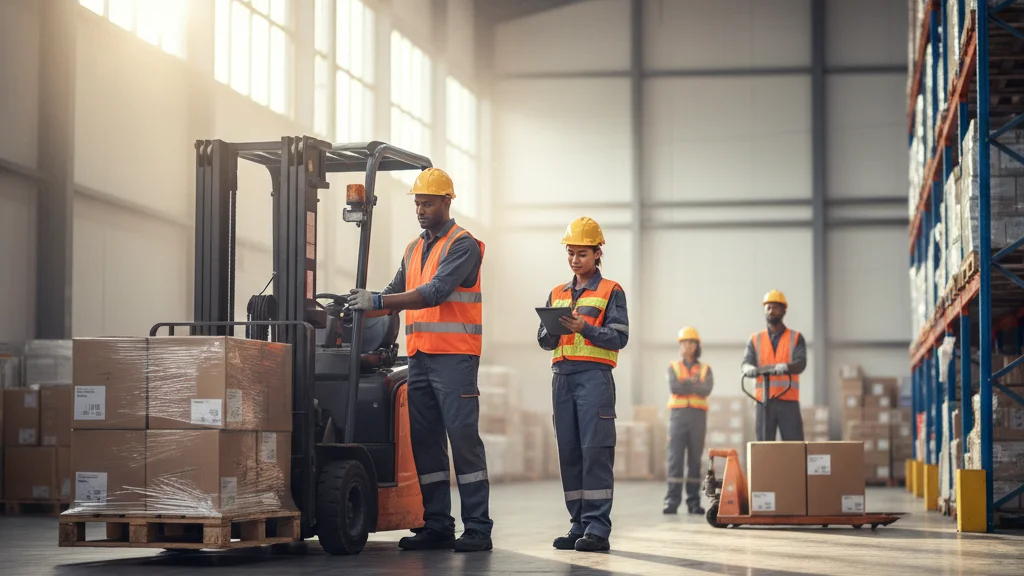
If you are exploring warehouse and logistics work, a career as a freight handler offers a clear entry point into one of the most essential sectors of the economy. Freight handler roles are in steady demand across industries, from retail distribution and e-commerce fulfillment to food service and manufacturing. Whether you are just starting out or looking to make a shift into physical, hands-on work, understanding what the job actually involves will help you decide if this path is the right fit.
What Does a Freight Handler Do?
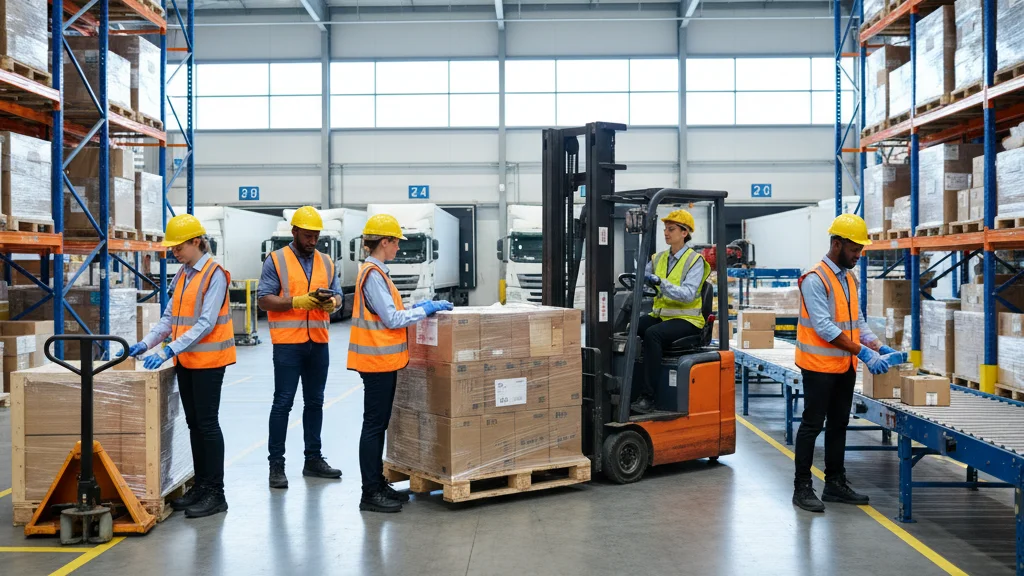
A freight handler is responsible for the physical movement, sorting, loading, and unloading of goods within warehouses, distribution centers, freight terminals, and logistics hubs. The core of the work involves handling packages, pallets, and cargo of varying sizes and weights, ensuring that shipments are organized, correctly labeled, and moved efficiently through the facility.
Day-to-day duties typically include:
- Unloading incoming shipments from trucks or freight containers
- Scanning and verifying cargo against manifests or delivery records
- Sorting freight by destination, size, or category
- Loading outbound shipments onto transport vehicles
- Operating hand trucks, pallet jacks, and forklifts (depending on certification)
- Maintaining a clean and organized work area
- Reporting damaged goods or discrepancies to supervisors
The work is physically demanding and fast-paced. Many positions require standing, lifting, and bending throughout an entire shift. Facilities operate around the clock, so freight handler jobs often include early morning, overnight, or weekend shifts depending on the employer.
Key Skills Employers Look For
You do not need a college degree to become a freight handler, but employers do look for a specific combination of physical ability, reliability, and basic technical competency. The following skills stand out on any application.
Physical Stamina and Strength
This is the most foundational requirement. Freight handlers regularly lift packages ranging from light parcels to items weighing 50 pounds or more. Being physically capable and able to sustain that effort across a full shift is essential. Employers also value candidates who understand proper lifting technique, since injury prevention is a priority at any well-run facility.
Attention to Detail
Sorting and routing freight correctly depends on reading labels, verifying quantities, and catching discrepancies before they become costly mistakes. A misrouted pallet can delay deliveries across an entire supply chain. Candidates who demonstrate care and accuracy in their work tend to advance faster and earn more trust from supervisors.
Reliability and Punctuality
Freight operations run on tight schedules. Trucks depart at set times, and loading windows are not flexible. Being on time, showing up consistently, and completing your assigned work without supervision are qualities that employers notice quickly. In many facilities, reliable workers are the first to receive additional hours, cross-training opportunities, or promotion consideration.
Equipment Familiarity
Many entry-level positions require only basic equipment like hand trucks and non-powered pallet jacks. However, workers who can also operate powered industrial trucks or forklifts, or who are willing to pursue that certification, are significantly more valuable. Forklift certification is one of the most practical credentials you can earn in warehouse and logistics work.
Basic Computer and Scanning Skills
Modern freight operations rely on warehouse management systems, barcode scanners, and digital manifests. You do not need advanced technical knowledge, but comfort with handheld scanners, basic data entry, and following on-screen instructions is increasingly expected at most facilities.
Communication
Freight handlers work as part of a team. Communicating clearly with coworkers, flagging issues promptly, and following supervisor instructions accurately all contribute to a safe and productive operation. Strong team communication also reduces errors and keeps shipments on track.
What to Expect on the Job
Starting a freight handler position means stepping into a structured, production-oriented environment. Here is what you can realistically expect during your first weeks and months.
The Physical Adjustment Period
If you have not worked in a physical role before, the first few weeks will feel demanding. Your body needs time to adjust to repetitive lifting, prolonged standing, and the pace of the work. Wearing supportive footwear, staying hydrated, and using proper form when lifting are practical steps that help you get through this adjustment phase without injury.
Safety Training and Protocols
Every legitimate employer will provide safety orientation before placing you on the floor. This covers how to operate equipment safely, what personal protective equipment is required, how to report incidents, and what to do in emergency situations. Taking this training seriously is not optional. Facilities with strong safety cultures tend to be better-run operations overall.
Shift Structures and Schedules
Freight handling jobs span all hours. Distribution centers that serve e-commerce customers often run 24-hour operations with multiple shift rotations. Some facilities are busiest at night when freight arrives from regional hubs. Others have peak demand early in the morning before outbound delivery routes begin. Ask about shift availability and expectations during the interview so you can plan accordingly.
Performance Expectations
Many employers track productivity metrics: how many packages are processed per hour, how accurately shipments are sorted, and how quickly loading tasks are completed. Performance standards vary by facility, but you should expect your pace and accuracy to be monitored. Meeting or exceeding those standards is the most reliable way to secure your position and open doors to advancement.
Career Growth in Freight and Logistics
Freight handler jobs are not dead ends. The logistics industry has a strong track record of promoting from within, and workers who demonstrate skill and reliability have real opportunities to grow.
Common advancement paths include:
- Lead or team coordinator roles overseeing a section of the floor
- Inventory control or receiving specialist positions
- Shipping and logistics coordinator roles with more planning responsibility
- Forklift operator or equipment specialist roles for certified workers
- Warehouse supervisor or shift manager positions for experienced workers
Some employers also offer tuition assistance or support for workers who want to pursue transportation and logistics certifications through community colleges or industry programs. If long-term career development matters to you, ask prospective employers about those programs during the hiring process.
How to Get Started
The path into freight handler jobs is more accessible than many people realize. Here is a practical approach to breaking in.
Build the Right Resume
You do not need extensive experience to apply. Highlight any physical work history, even informal: moving, construction, landscaping, or any job requiring sustained effort and attention. Emphasize reliability, your availability for flexible shifts, and any equipment familiarity you have. If you have a forklift certification or have completed a warehouse safety course, list it prominently.
Target the Right Employers
Distribution centers, regional freight terminals, third-party logistics providers, and large retailers with fulfillment operations are all consistent sources of freight handler positions. These employers hire in volume and often have rolling openings throughout the year. Industrial staffing agencies are another strong option because they have established relationships with employers and can place workers quickly, sometimes within days.
Prepare for the Interview
Freight handler interviews tend to be straightforward. Expect questions about your availability, your physical capacity for the work, your experience with any relevant equipment, and your history with attendance or reliability in past jobs. Be honest, be direct, and come prepared to start quickly. Many employers are eager to fill roles and appreciate candidates who can commit to a start date without lengthy delays.
Show Up Ready to Work
Once placed, your performance in the first 30 to 90 days determines your standing. Come to every shift on time, put in full effort, follow safety rules, and ask questions when you are unsure rather than guessing. Workers who establish themselves as dependable in that early window tend to have a much smoother path forward.
Starting Your Freight Handling Career with Humano
If you are ready to find freight handler jobs in your area, Humano connects warehouse and logistics workers with employers across the region. The placement process is designed to match your availability, skills, and goals with the right opportunity as quickly as possible. Whether this is your first time in the industry or you are an experienced handler looking for your next role, reach out to Humano to explore what is available and get started.