
transloading cost per unit: per-container handling vs hourly
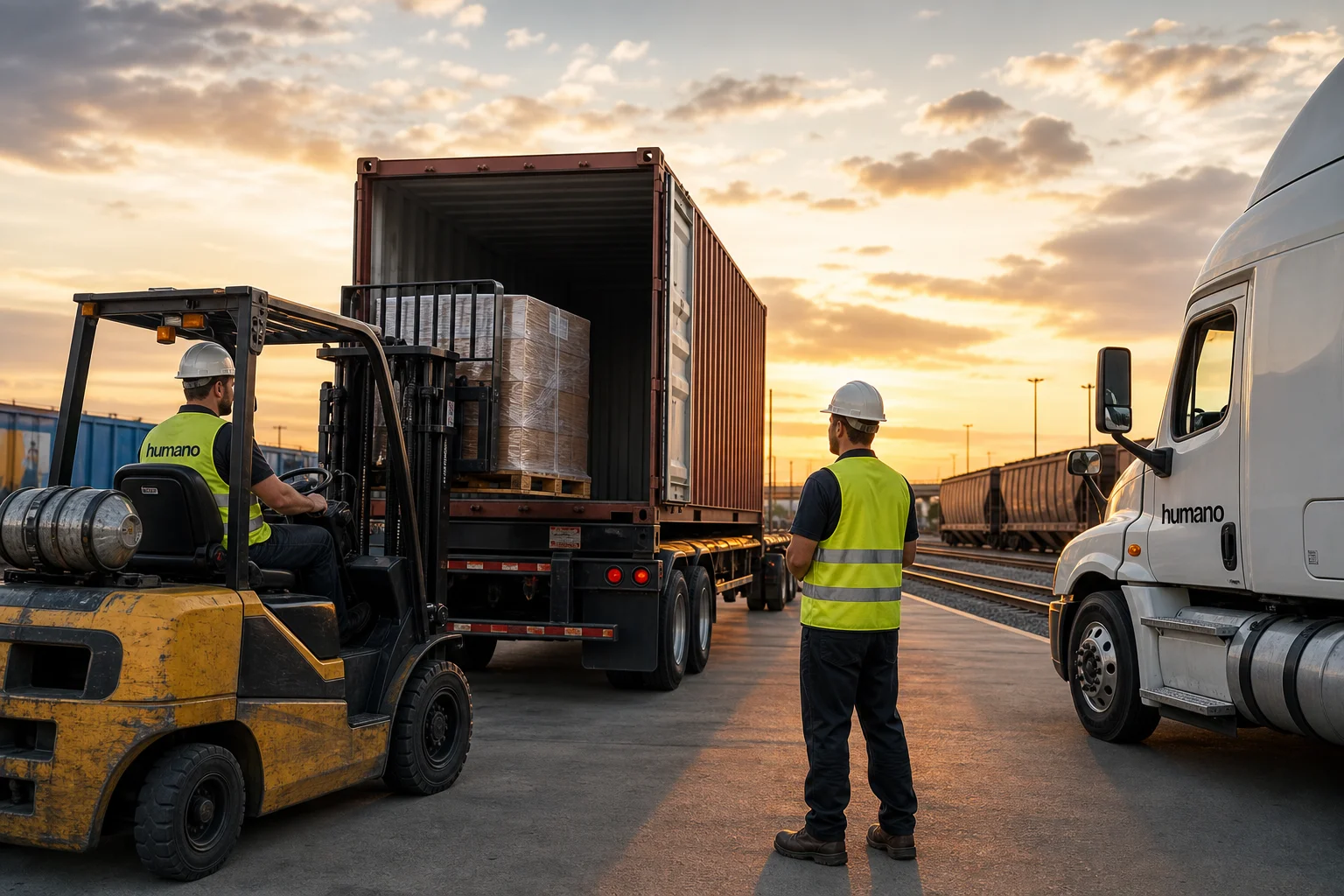
Transloading cost isn't one flat number: it's a stack of line items covering labor, equipment, storage, and final delivery, and how a provider prices them changes case by case. Some Container Unloaders crews bill per container, others bill hourly, and the right structure depends on your cargo and your lanes.
By Humano Team, Logistics & Lumper Specialists
What Is Transloading and Why Does It Add a Cost Line to Your Shipment?
Transloading is the process of moving freight between two modes of transportation, most often from an ocean container onto a domestic truck trailer or rail car for the next leg, without breaking the shipment down at a warehouse first. A container arrives at a port or rail ramp, and instead of trucking that exact box to its destination, a crew unloads it and reloads the freight onto equipment better suited for the rest of the journey. That extra step is why transloading services carry their own line item on a freight invoice: it adds labor, dock time, and often a short storage window a straight-through shipment never touches. The process itself, palletizing loose freight, staging it, and loading the next carrier, is what a buyer is actually paying for, not the miles, and it's why transloading cost varies so much from one shipment to the next.
Per-Container Handling vs Hourly Transloading Rates: How Pricing Actually Works
Most transloading companies default to one of two pricing structures, and the difference matters more than shippers expect. Per-container handling charges a flat rate for each box regardless of how long the crew spends on it, so a fast-unloading container is more profitable for the provider, and one that runs into problems, jammed doors, poor stacking, mixed SKUs, isn't. Hourly transloading rates flip that risk: the shipper pays for the crew's actual time and equipment time, so a clean, fast container costs less and a difficult one costs proportionally more. Neither structure is inherently cheaper. High-volume, consistent freight (same commodity, similar packaging, predictable dock times) usually comes out ahead on per-container handling, because the provider can price it tight knowing the average job. Irregular freight, mixed pallets, unusual dimensions, hand-stacked floor loads, often prices better hourly, because a flat rate would have to assume the worst case every time. A facility moving cargo from rail to truck on a fixed schedule leans toward per-container pricing for this reason: the job repeats enough that both sides can trust the average.
What Drives the Per-Unit Cost of Transloading Up or Down
A handful of variables move the per-unit number more than anything else:
Cargo type. Palletized, uniform freight moves fastest and costs the least per unit to handle. Loose or floor-loaded cargo needs to be sorted and re-palletized by hand, adding labor time. Hazardous materials, temperature-sensitive goods, or anything needing special certification adds handling requirements and usually a surcharge.
Container size and weight. A 40-foot or 45-foot container generally costs more to transload than a 20-foot box, simply because there's more freight to move, but the per-unit rate often drops as volume per container rises. Overweight containers can also trigger extra equipment or a second lift.
Dwell time. How long a container or trailer sits at the transload facility before it's worked adds storage costs on top of the handling fee. Congestion at the port or rail ramp, and how quickly a shipper can provide delivery instructions, both affect dwell time.
Distance and destination. The leg after transloading, drayage to a rail ramp, or a final delivery run to a distribution center or warehouse, is priced separately from the handling itself, and mileage moves that line independent of the transload fee.
Labor availability and timing. Peak season, tight labor markets, and off-hours or weekend work all push per-unit costs up, the same freight handled during a slow week with full staffing costs less.
None of these move the invoice by a fixed dollar amount, they move it by a proportion, sometimes small for a straightforward pallet swap, sometimes doubling or tripling the base rate for hazardous, oversized, or rush freight.
What's Included in a Transloading Cost Quote, and What Gets Billed Separately
A complete transloading cost quote should break out several line items rather than bury them in one number:
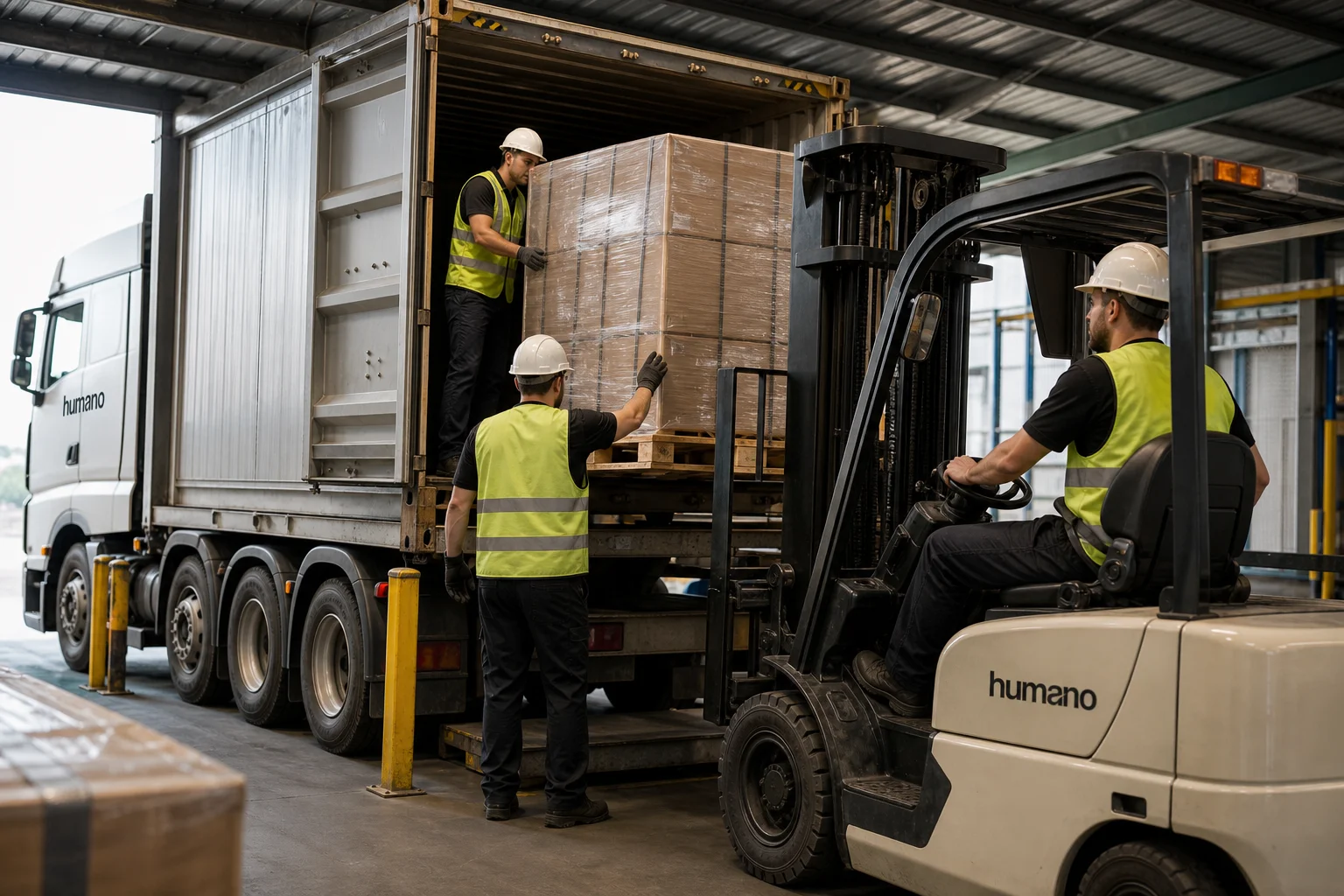
- Labor or lumper crew time, the people physically unloading, sorting, and reloading freight.
- Equipment, forklifts, reach stackers, or pallet jacks needed to move freight inside the transload facility.
- Facility or dock fees, the cost of using the physical space where the transfer happens.
- Storage or dwell fees, charged once a container or trailer sits past a free period.
- Drayage or final delivery, moving the container to the facility and the reloaded freight to its next stop, often billed as a separate leg.
- Documentation and administration, paperwork tied to customs, bills of lading, or cargo tracking.
What's usually bundled: the core handling labor and basic equipment use for a standard container are typically quoted together as one per-unit or hourly rate. What's usually billed separately, and where shippers get surprised: drayage, storage beyond the free period, detention or per diem on the container or chassis, and any accessorial work like re-palletizing or special handling.
Before accepting a quote, a shipper should ask: what counts as a standard container for this rate, what triggers an accessorial charge, how is dwell time measured and when does storage start, and is drayage included or separate. To quote accurately, the provider needs the cargo type, container count and size, expected volume per period, pickup and delivery locations, and any special handling requirements up front. Vague answers usually show up later as a line item nobody mentioned at the start.
How Rail-to-Truck Transloading Pricing Differs from Port Drayage
Rail-to-truck transloading moves freight that already traveled by rail onto a truck for the final delivery leg, usually at an intermodal ramp near a major hub, Houston, Chicago, and Kansas City all handle heavy volume for this reason. Because rail arrivals tend to run on a more predictable schedule than ships, pricing here is often more stable and easier to quote per container in advance.
Port drayage works differently. Containers come directly off a vessel and move by truck to a transload facility without a rail leg, and pricing is more exposed to variables outside anyone's control: port congestion, chassis availability, and terminal appointment windows. A container that misses its appointment window can sit an extra day, adding a dwell charge a rail-fed shipment rarely faces. Because of that variability, some providers price port-origin transloading with a wider range or add a congestion contingency, while inland rail-to-truck jobs price tighter.
For shippers moving the same commodity through both channels, it's common to see rail-fed containers cost less per unit to transload than port-origin containers of the same size and cargo type, the difference isn't the handling itself, it's the volatility upstream of it.
How Shippers Can Lower Their Transloading Costs
A few practical levers actually move the number without disrupting your supply chain:
- Consolidate volume with one provider. Steady, predictable container counts let a transloading company price per-container instead of defaulting to hourly, which usually favors the shipper on repeat freight.
- Minimize dwell time. Have delivery instructions, paperwork, and appointment windows ready before the container arrives so it doesn't sit past the free period.
- Plan around peak season. Scheduling flexible freight for slower weeks avoids the labor premium that comes with tight capacity.
- Pick a facility close to the final destination. Shorter drayage or delivery legs after the transload cut a cost that's entirely separate from the handling fee.
- Use one crew for loading and unloading. A provider whose Logistic Lumper Services team handles both ends of the container, rather than splitting the work between two vendors, cuts the coordination and double-handling that quietly adds cost.
- Get an itemized quote up front. Comparing providers on a single bundled number hides which one is actually cheaper once storage, drayage, and accessorials are added back in.
Frequently Asked Questions
What hidden fees show up on transloading invoices?
The most common surprises are chassis fees, detention or per diem charges on a container that isn't returned on time, storage once a free period expires, fuel surcharges on the drayage or delivery leg, and appointment or scheduling fees at congested facilities. Asking for an itemized quote before the work starts is the most reliable way to catch these before they show up on the final bill.
Is per-container pricing cheaper than hourly transloading rates?
It depends on the freight. Consistent, high-volume containers with predictable dock times usually come out ahead on per-container pricing, since the provider can average the job with confidence. Irregular loads, hand-stacked floor freight, or mixed pallets often price better hourly, because a flat per-container rate would need to assume worst-case handling every time.
How much does transloading cost per container?
There isn't a single figure that applies across cargo types, container sizes, and regions, the number moves with dwell time, labor conditions, and whether drayage is bundled in. Getting an accurate figure means requesting a quote against your actual cargo type, volume, and lanes rather than comparing a generic industry number.
Does transloading cost more for oversized or hazardous cargo?
Generally yes. Hazardous materials require certified handlers and extra documentation, and oversized or overweight freight can need additional equipment or a second lift, both adding labor and equipment time beyond a standard pallet swap.
How long does the transloading process take?
Standard, palletized freight usually clears a transload facility within a day of arrival when equipment and labor are available. Loose or floor-loaded cargo, hazardous materials, or freight arriving during port or rail congestion can take longer, since re-palletizing and appointment scheduling both add time before the next leg starts.
Get a Transloading Quote Built Around Your Freight
The fastest way to know whether per-container or hourly pricing fits your freight is to walk a provider through your actual cargo, container counts, and lanes rather than comparing list rates. Contact Humano's logistics team to scope your transloading needs and get a quote broken out by line item.