
how to qualify an export loading crew before you hand over a container
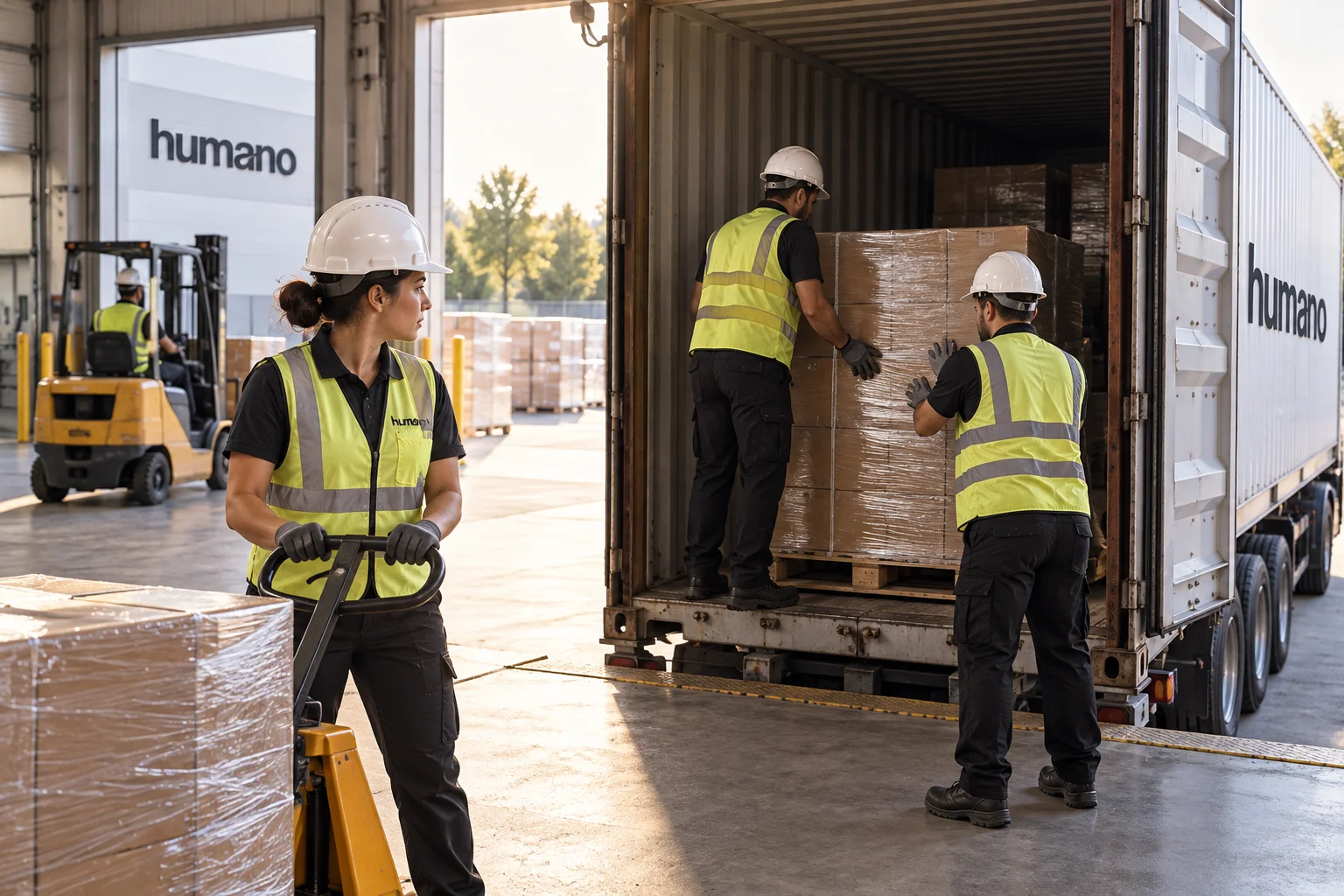
How to qualify an export loading crew before you hand over a container comes down to five checks: certifications, safety protocol, references, insurance, and a documented pre-load process. Skipping any one raises the odds of shifted cargo, port rejection, or a damage claim you can't recover. Vetted Container Loaders close every gap before the container doors shut.
By humano Team, Logistics & Lumper Specialists
What Qualifications Should an Export Loading Crew Have Before You Trust Them With a Container
A qualified crew brings documented container loading experience, not a general labor background. Look for hands-on time with shipping containers specifically: knowledge of how cargo shifts in transit, how to distribute weight across the floor, and how to choose between floor-loading and palletizing based on the product. A crew that has only handled domestic trailer freight does not automatically transfer those skills to an export container, where a rough ocean crossing and a longer transit window punish a sloppy loading process.
Certifications and Licenses to Look For
At minimum, a crew should carry general industry safety training (an OSHA 10 or 30 hour card is a common baseline), forklift operator certification if powered equipment is involved, and a hazmat handling certificate if the cargo requires it. Port or terminal facilities often require their own access credentials as well, so confirm the crew can legally work the site before the container arrives.
What Questions Should You Ask a Loading Crew Before They Load Your Container
Ask direct questions and listen for specifics, not general reassurance. How many years have they loaded export shipping containers, and what product categories do they know best? What equipment do they bring versus what they expect the factory or warehouse to provide? How do they calculate weight distribution for a mixed pallet load? Do they carry general liability and cargo insurance, and can they send a current certificate of insurance today? Finally, ask how they document the job: photos, a written loading report, or both.
How Do You Verify a Loading Crew's Certifications and Experience
Don't take a resume at face value. Request copies of certifications and confirm them with the issuing body when possible. Call the insurance carrier directly to verify the certificate of insurance is active and covers cargo damage, not just general liability. Ask for a client reference list and actually call two or three of them. A crew with real experience will have this paperwork ready before you ask twice.
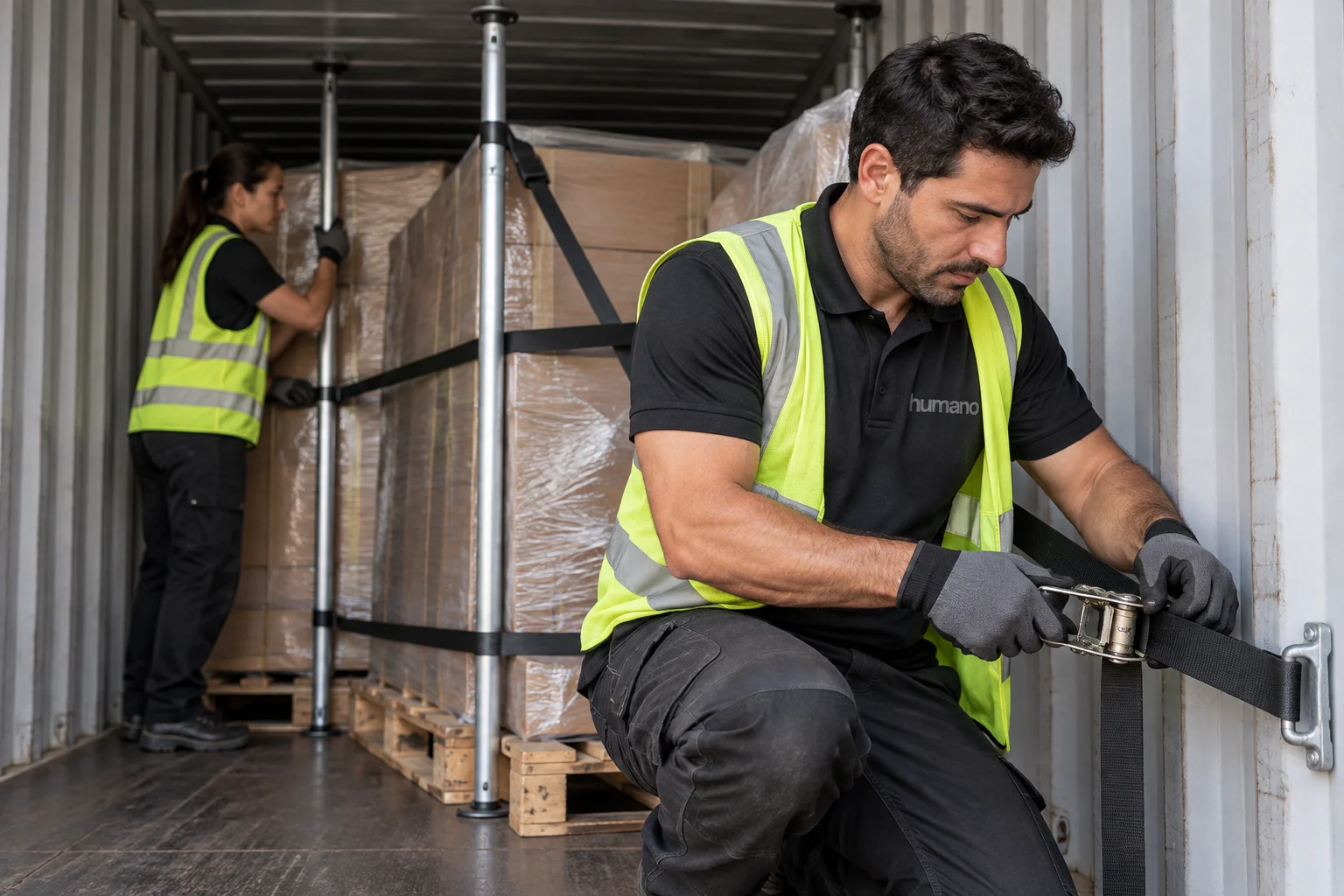
What Safety and Blocking and Bracing Standards Should a Qualified Crew Follow When Loading a Container
Proper blocking and bracing keeps cargo from shifting during transit, which is the single biggest cause of damage claims on ocean freight. A qualified crew secures loads with dunnage, load bars, or strapping appropriate to the product, and checks weight distribution so the container doesn't ride unevenly on the chassis or vessel. The choice between palletized loading versus floor-loading also affects cube utilization, loading speed, and damage risk, and a competent crew will explain the tradeoff for your specific product rather than defaulting to whichever method is faster for them. Crew safety matters too: proper lifting technique, secured walkways inside the container, and PPE use all prevent injuries that can delay the entire load.
How Do You Check a Loading Crew's References and Past Damage Claims
Past performance is the clearest signal you'll get before handing over a container. Ask each reference about damage claim frequency, how disputes were resolved, and whether the crew showed up on time and finished within the agreed window. If the crew has worked with freight forwarders or buyers you also know, a quick call there can confirm or contradict what the crew told you directly.
What Red Flags Signal an Unqualified or Unvetted Export Loading Crew
Several warning signs tend to show up together. A crew that can't produce a certificate of insurance on request, that gives vague answers about container loading experience, or that has no documented safety process is a risk regardless of price. A quote that sits far below market usually means corners get cut on bracing, weight checks, or crew headcount. Watch for a crew that subcontracts the job without telling you, since accountability for damage gets murky fast once a third party is involved.
If your facility runs regular export volume, working with a professional Logistic Lumper Services provider removes most of this vetting burden, since the crew already meets these standards before they show up.
What Should Be Included in a Pre-Load Checklist Before Handing Over a Container
A written pre-load checklist protects both sides of the handoff. At a minimum, it should confirm the container's condition (clean, dry, free of odors, no structural damage or holes), verify cargo count and condition against the packing list, document the weight distribution plan, and record photos before, during, and after loading. It should also confirm bracing and securing methods used, record the seal number applied at close, and end with a signed loading report. This checklist is what protects buyers on the receiving end and gives you a paper trail if a customs inspection or a damage dispute comes up later.
Frequently Asked Questions
How much does it cost to hire a professional loading crew for container stuffing?
Cost usually depends on cargo type, container count, and how the crew prices the job. Many crews offer a per-container versus hourly pricing structure, and the better fit depends on your shipment volume and how predictable your loading windows are. Ask for a quote against your actual cargo specs rather than a generic rate.
Who is liable if a loading crew damages cargo during container loading?
Liability generally falls to the loading crew when their certificate of insurance covers cargo damage and the claim is properly documented. In practice, liability often gets contested without a clear pre-load checklist and photos, so treat documentation as your leverage, not an afterthought.
How long does it take to properly load and secure an export container?
Timing varies with cargo type, volume, and whether the load is floor-loaded or palletized, but a typical container usually takes a few hours for an experienced crew. Rushing this step to hit a vessel cutoff is one of the more common causes of a poorly secured load.
Do I need to supervise the loading crew in person or can I use a loading report?
Either can work, depending on how much container loading supervision you need for a given shipment. A new vendor relationship usually warrants in-person oversight at first; an established crew with a consistent, photo-documented loading report can often be trusted to work without someone standing over them for every container.
Get a Vetted Crew Before Your Next Container Ships
A qualified export loading crew protects your cargo, your customs paperwork, and your relationship with buyers on the other end. Contact humano to get a crew matched to your product and loading timeline.