
Understanding Warehouse Staffing Needs: Key Job Titles
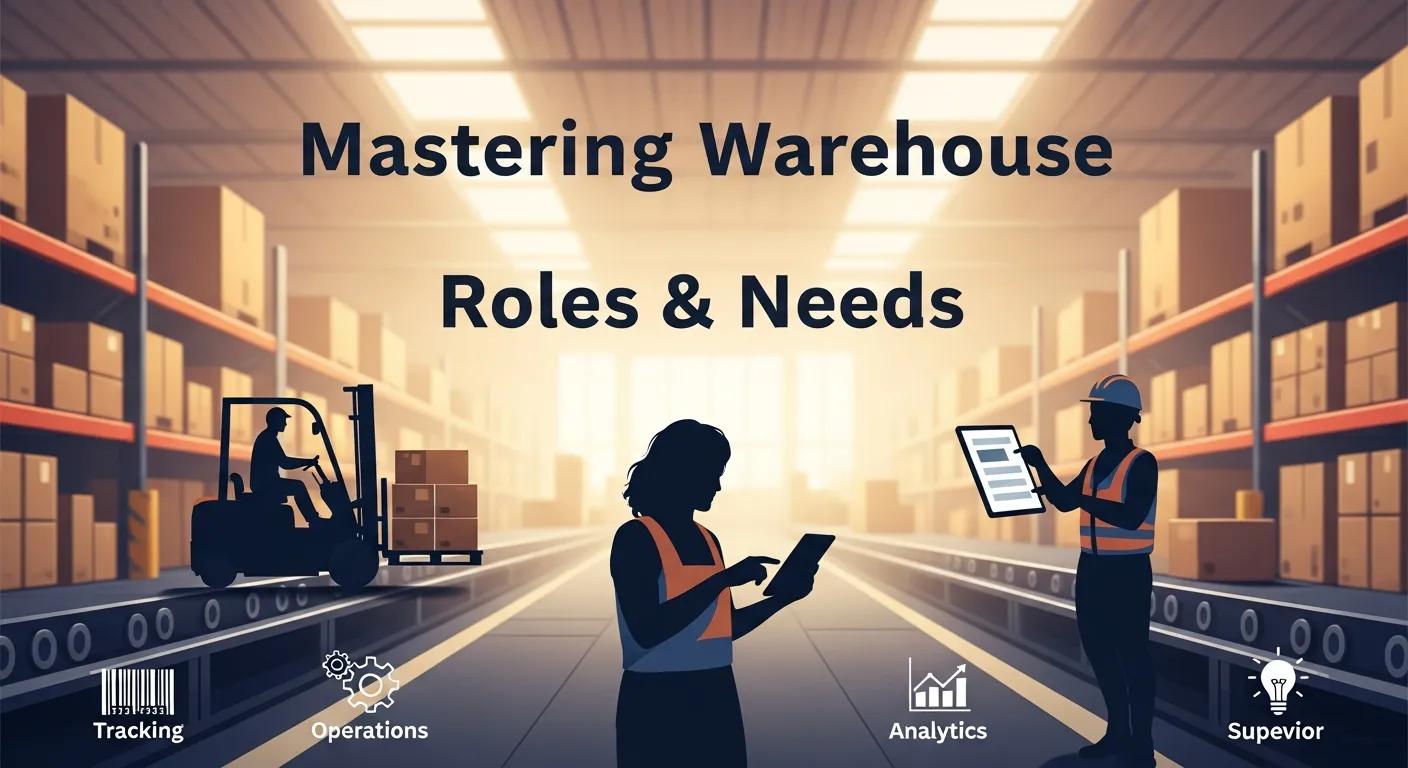
Warehouse Job Titles and Responsibilities: Understanding Your Staffing Needs
Understanding warehouse job titles and their responsibilities is critical to effective staffing and operational performance. This article outlines essential warehouse roles, their core duties, and the skills required for success. By clarifying these roles, organisations can align staffing with operational demand and reduce inefficiencies and costs. The guide also explains how targeted staffing solutions and specialised services can improve productivity. Topics covered include key job titles, the warehouse manager’s responsibilities, entry-level roles, essential skills, and the impact of logistics staffing solutions.
What Are the Key Warehouse Job Titles and Their Core Responsibilities?
Identifying key warehouse roles is necessary to optimise a staffing strategy. Each position contributes to overall operational performance. The primary job titles and their core responsibilities are listed below.
- Warehouse Associate: Responsible for receiving, processing, and storing inventory. They ensure that products are organized and accessible for shipping.
- Warehouse Manager: Oversees all warehouse operations, including inventory management, staff supervision, and compliance with safety regulations.
- Forklift Operator: Operates forklifts to move materials and products within the warehouse, ensuring safe and efficient handling.
- Shipping and Receiving Clerk: Manages incoming and outgoing shipments, verifying the accuracy of orders and maintaining records.
These roles maintain the flow of goods and support smooth operations. Clear role definitions enable businesses to identify staffing needs more precisely.
What Does a Warehouse Manager Do?

A warehouse manager oversees overall warehouse operations and ensures processes meet performance and compliance standards. Core responsibilities include:
- Inventory Management: Ensuring that stock levels are maintained and that inventory is accurately tracked.
- Staff Supervision: Leading a team of warehouse associates, providing training, and ensuring that safety protocols are followed.
- Operational Efficiency: Implementing processes to improve productivity and reduce costs, such as optimizing layout and workflow.
A warehouse manager directly influences operational efficiency and regulatory compliance across the facility.
Which Roles Define Entry-Level Warehouse Positions?
Entry-level warehouse roles form the foundation of a productive workforce. These positions introduce core operational tasks and provide career development pathways. Key entry-level positions include:
- Warehouse Associate: Engaged in various tasks such as picking, packing, and shipping orders.
- Loader/Unloader: Responsible for loading and unloading goods from trucks, ensuring that products are handled safely.
- Inventory Clerk: Assists in tracking inventory levels and conducting regular stock counts.
These roles develop the practical skills and experience necessary for advancement within the warehouse environment.
What Essential Skills Are Required for Warehouse Labor Roles?
Succeeding in warehouse labor roles requires a defined set of competencies. Essential skills include:
- Attention to Detail: Ensuring accuracy in order fulfillment and inventory management.
- Physical Stamina: The ability to perform physically demanding tasks, such as lifting and moving heavy items.
- Teamwork: Collaborating effectively with colleagues to achieve common goals.
These competencies sustain operational reliability and ensure tasks are completed accurately and on schedule.
Which Warehouse Labor Skills Enhance Operational Efficiency?
Operational efficiency depends on skills that streamline processes and reduce delays. Key skills that contribute to efficiency include:
- Time Management: Prioritizing tasks to meet deadlines and improve workflow.
- Problem-Solving: Quickly addressing issues that arise during operations to minimize disruptions.
- Technical Proficiency: Familiarity with warehouse management systems and equipment, such as forklifts and scanners.
Developing these skills enables employees to increase productivity and support operational objectives.
How Do Physical and Technical Skills Impact Container Loading and Unloading?
Container loading and unloading are critical processes that demand both physical capability and technical knowledge. Effective execution depends on personnel who can perform manual tasks safely and operate relevant equipment.
- Physical Skills: Workers must be able to lift heavy items and maneuver them safely, reducing the risk of injury.
- Technical Skills: Knowledge of equipment operation, such as forklifts, is essential for efficient loading and unloading.
These competencies improve safety, speed, and accuracy, supporting overall operational performance.
How Do Warehouse Supervisors and Team Leaders Drive Staffing Success?
Supervisors and team leaders drive staffing success through structured leadership and operational oversight. Their responsibilities include:
- Coordinating Tasks: Assigning responsibilities to team members based on their skills and experience.
- Monitoring Performance: Evaluating employee performance and providing feedback to enhance productivity.
- Fostering Communication: Encouraging open communication among team members to address concerns and improve morale.
Effective supervision improves team cohesion and productivity across shifts and tasks.
What Are the Duties of a Warehouse Supervisor?
Warehouse supervisors perform essential duties that maintain daily operational standards. Key responsibilities include:
- Staff Management: Overseeing daily operations and ensuring that staff are performing their duties effectively.
- Safety Compliance: Ensuring that all safety protocols are followed to minimize accidents and injuries.
- Inventory Oversight: Monitoring inventory levels and coordinating with the warehouse manager to address any discrepancies.
These responsibilities help ensure the warehouse operates smoothly and meets performance targets.
How Do Warehouse Team Leader Roles Support Workforce Coordination?

Team leaders support workforce coordination by aligning daily activities with operational priorities. Their duties include:
- Task Delegation: Assigning tasks to team members based on their strengths and workload.
- Training and Development: Providing training to new employees and ongoing development for existing staff.
- Conflict Resolution: Addressing any conflicts that arise within the team to maintain a positive work environment.
Effective coordination by team leaders enhances productivity and employee engagement.
What Logistics Staffing Solutions Address Warehouse Labor Needs?
Logistics staffing solutions address variable labor requirements and specialized operational needs. Typical offerings include:
- Temporary Staffing: Providing short-term labor to meet peak demands during busy seasons.
- Direct Hire Services: Assisting companies in finding permanent employees for critical roles.
- Specialized Services: Offering expertise in specific areas, such as container loading and unloading.
These solutions help businesses maintain operational continuity while adjusting to changing demand.
How Do Warehouse Staffing Agencies Provide Flexible Labor Pools?
Staffing agencies supply flexible labor pools that match workforce capacity to operational demand. They achieve this through:
- Recruiting Diverse Talent: Sourcing candidates with various skills and experiences to match specific job requirements.
- Offering On-Demand Labor: Allowing businesses to quickly scale their workforce up or down based on demand fluctuations.
- Streamlining Hiring Processes: Reducing the time and resources needed for companies to find qualified candidates.
This flexibility allows warehouses to sustain efficiency during peak periods.
What Are the Benefits of Specialized Services Like Lumper and Transloading?
Specialised services such as lumper services and transloading deliver operational advantages for specific tasks. Benefits include:
- Increased Efficiency: Specialized labor can expedite the loading and unloading process, reducing turnaround times.
- Cost Savings: Outsourcing these services can lower labor costs and reduce the need for permanent staff.
- Expertise: Access to skilled labor that understands the nuances of specific tasks, enhancing overall operational performance.
Using these services lets warehouses maintain focus on core operations while meeting labor requirements efficiently.
Which Industry Trends Influence Warehouse Staffing and Job Responsibilities?
Several industry trends are reshaping warehouse staffing and role expectations. Notable trends include:
- Automation: The increasing use of technology and automation tools is changing the nature of many warehouse jobs, requiring new skills.
- E-commerce Growth: The rise of e-commerce has led to higher demand for warehouse labor, necessitating more flexible staffing solutions.
- Sustainability Practices: Companies are increasingly focusing on sustainable practices, impacting job roles related to inventory management and logistics.
Staying informed on these trends enables businesses to adapt their staffing strategies effectively.
How Does Automation Affect Warehouse Labor Demand and Skills?
Automation alters labor demand and the skill sets required across warehouse roles. Key effects include:
- Reduced Manual Labor: Many tasks traditionally performed by humans are now automated, leading to a decrease in demand for certain positions.
- Increased Demand for Technical Skills: Workers must now possess technical skills to operate and maintain automated systems.
- Shift in Job Responsibilities: Roles are evolving to focus more on oversight and management of automated processes rather than manual tasks.
Recognising these changes is necessary for effective workforce planning and training.
What Are the Latest Safety Compliance Trends in Warehouse Operations?
Safety compliance remains a priority, and several trends are emerging to strengthen workplace safety. These include:
- Enhanced Training Programs: Companies are investing in comprehensive training programs to ensure that all employees are aware of safety protocols.
- Use of Technology: Implementing technology solutions, such as safety management software, to monitor compliance and track incidents.
- Focus on Mental Health: Recognizing the importance of mental health in the workplace and its impact on overall safety and productivity.
Proactively adopting these measures helps create a safer workplace and reduce incident rates.
How Can You Effectively Hire and Manage Warehouse Staff?
Effective hiring and management are central to operational resilience. Key strategies include:
- Clear Job Descriptions: Providing detailed job descriptions to attract the right candidates.
- Structured Interview Processes: Implementing a structured interview process to assess candidates’ skills and fit for the role.
- Ongoing Training and Development: Offering continuous training opportunities to help employees grow and adapt to changing demands.
These strategies build a reliable, skilled workforce capable of meeting logistics challenges.
What Are Best Practices for Hiring Reliable Warehouse Employees?
Adopting proven hiring practices improves recruitment and retention. Recommended practices include:
- Community Engagement: Building relationships with local communities to attract potential candidates.
- Competitive Compensation: Offering competitive wages and benefits to attract skilled workers.
- Positive Work Environment: Creating a supportive and inclusive workplace culture that encourages employee retention.
Implementing these practices strengthens hiring processes and workforce quality.
How Does Humano’s Staffing Solutions Optimize Warehouse Workforce Management?
Humano provides tailored staffing solutions designed to optimise warehouse workforce management. Their services include:
- Comprehensive Staffing Services: Addressing various labor needs, from temporary staffing to direct hire solutions.
- Expertise in Logistics: Understanding the unique challenges of the logistics industry and providing skilled labor accordingly.
- Flexible Solutions: Adapting to the changing demands of businesses, ensuring that staffing levels align with operational needs.
Leveraging Humano’s expertise improves workforce management and operational efficiency.
To learn how Humano can support your warehouse staffing needs, contact us.
For businesses seeking to optimize their container operations, container loaders can improve efficiency and reduce turnaround times.
Additionally, container unloaders ensure safe and efficient handling during the unloading process.
For businesses aiming to streamline their supply chain, container transloading services provide a flexible and cost-effective option.