
Understanding Lumper Fees: What They Are and Why They Matter
What Are Lumper Fees? A Complete Guide for Shippers and Carriers
Lumper fees are an essential aspect of logistics that many shippers and carriers encounter but may not fully understand. This comprehensive guide will clarify what lumper fees are, how they function, and their significance in the shipping process. As the logistics industry evolves, understanding these fees becomes crucial for effective cost management and operational efficiency. Shippers often face challenges related to unexpected costs, and lumper fees can significantly impact their bottom line. This article will explore the definition of lumper fees, the roles of lumpers, payment responsibilities, and the benefits of utilizing lumper services. Additionally, we will discuss how Humano’s managed staffing solutions can optimize lumper fee management.
What Is a Lumper Fee and Who Are Lumpers?
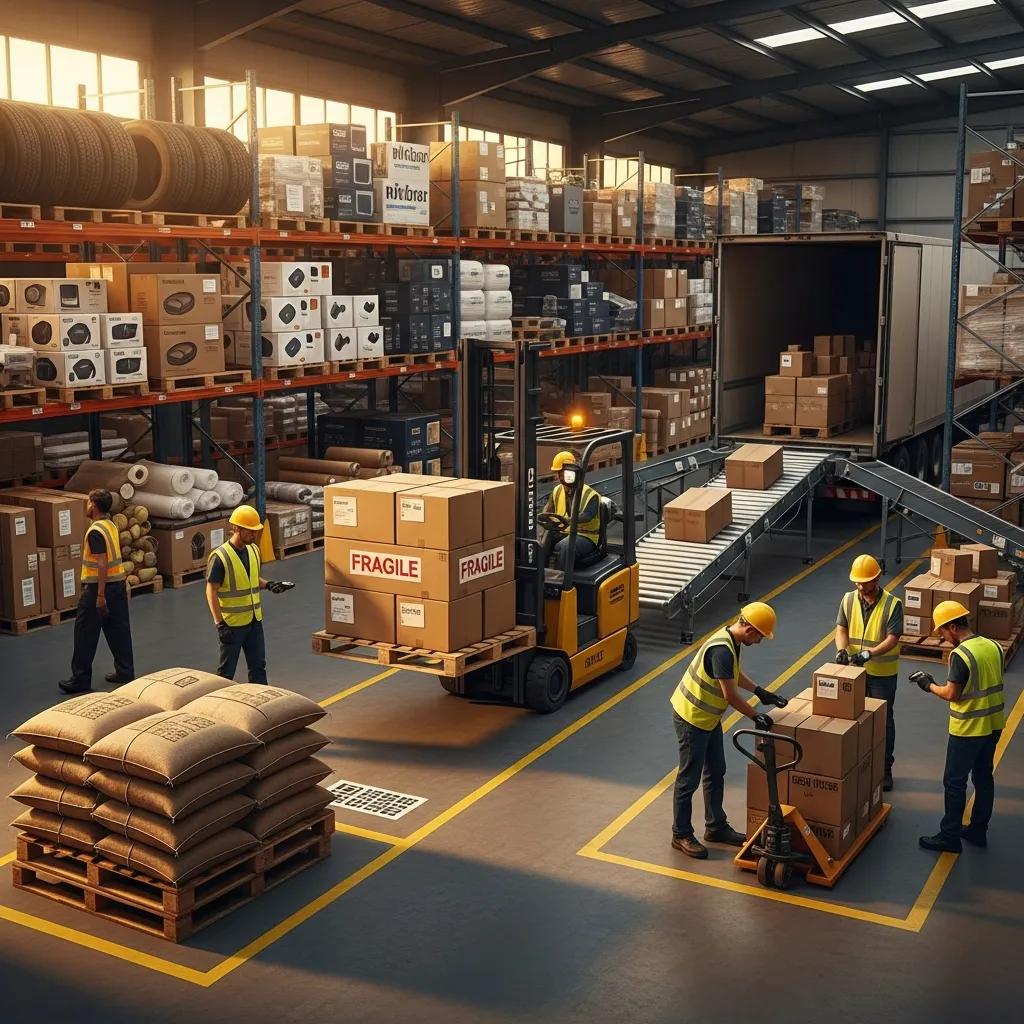
A lumper fee is a charge incurred for the loading and unloading of freight, typically performed by third-party labor known as lumpers. These fees are important for shippers and carriers to understand, as they represent a notable component of logistics costs. Lumpers are hired to facilitate the efficient handling of goods, ensuring that loading and unloading processes are completed swiftly and safely. Understanding lumper fees helps shippers and carriers manage their logistics costs more effectively.
How Do Lumper Fees Define Third-Party Freight Handling Charges?
Lumper fees are categorized as third-party freight handling charges, which means they are separate from the standard shipping costs. These fees can vary based on the complexity of the loading or unloading process, the type of cargo, and the location. For example, a lumper fee may be higher for specialized cargo that requires additional handling or equipment. By recognizing these fees as part of the overall logistics costs, shippers can better budget for their shipping expenses.
Who Are Lumpers and What Is Their Role in Logistics?
Lumpers are laborers who specialize in the loading and unloading of freight. Their role is crucial in the logistics process, as they ensure that goods are handled properly and efficiently. This can include tasks such as organizing cargo, operating forklifts, and ensuring compliance with safety regulations. By employing lumpers, shippers and carriers can reduce delays and improve the overall efficiency of their operations.
How Do Lumper Fees Work and Who Is Responsible for Payment?
Understanding how lumper fees work is vital for shippers and carriers alike. These fees are typically paid at the time of service, and the responsibility for payment can vary depending on the agreement between the parties involved.
What Is the Step-by-Step Process of Lumper Fee Payment?
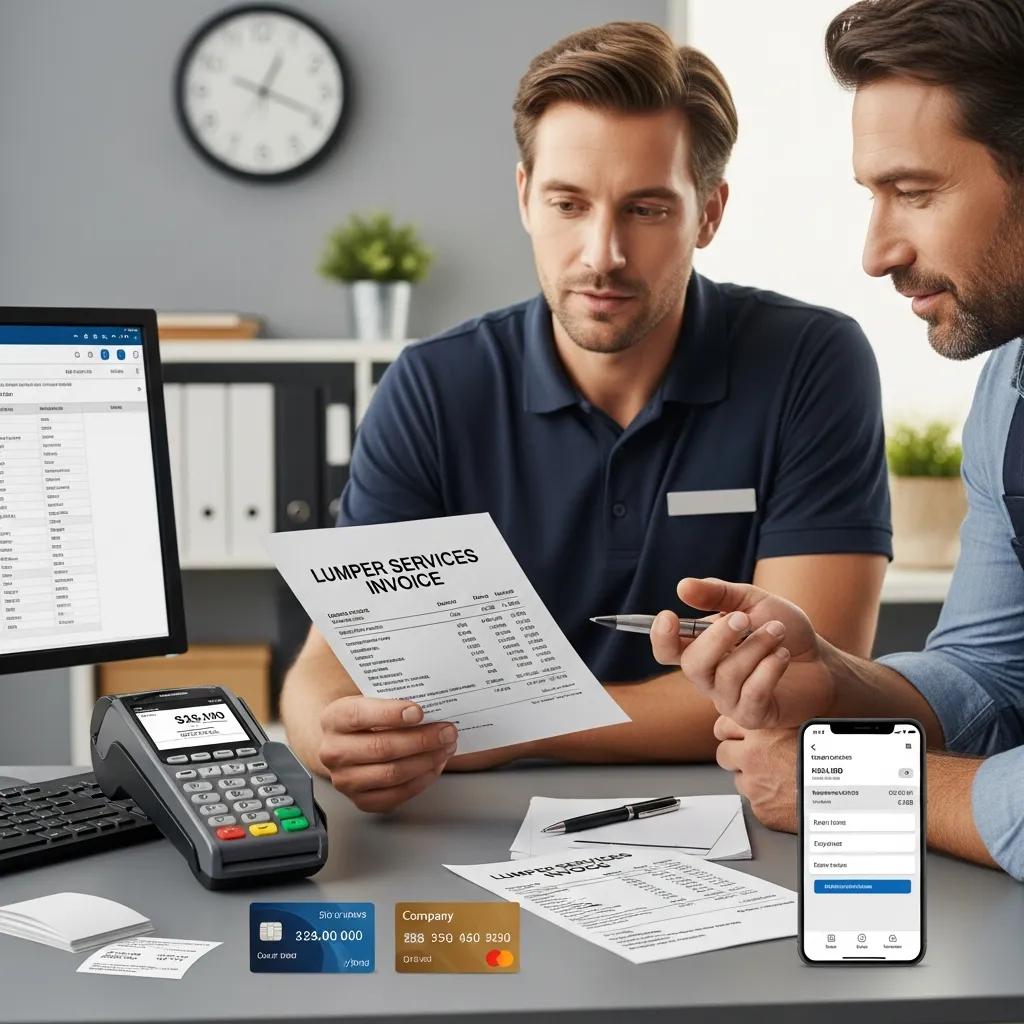
- Service Request: The shipper or carrier requests lumper services upon arrival at the loading or unloading site.
- Fee Agreement: The lumper provides a fee quote based on the specific services required.
- Payment Processing: Once the work is completed, the lumper submits an invoice for payment, which can be settled immediately or billed to the shipper or carrier.
This structured approach ensures transparency and clarity in the payment process, allowing all parties to understand their financial obligations.
Who Pays Lumper Fees: Shippers, Carriers, or Drivers?
The responsibility for paying lumper fees can vary. Typically, the party receiving the freight (often the consignee or receiver) is responsible for these fees, but in some cases, shippers or carriers may absorb the costs depending on contractual agreements. Drivers may also be involved in the payment process, especially if they are required to pay upfront and seek reimbursement later. Understanding who pays these fees is essential for effective budgeting and financial planning in logistics operations.
What Are the Benefits of Lumper Services for Warehouses and Supply Chains?
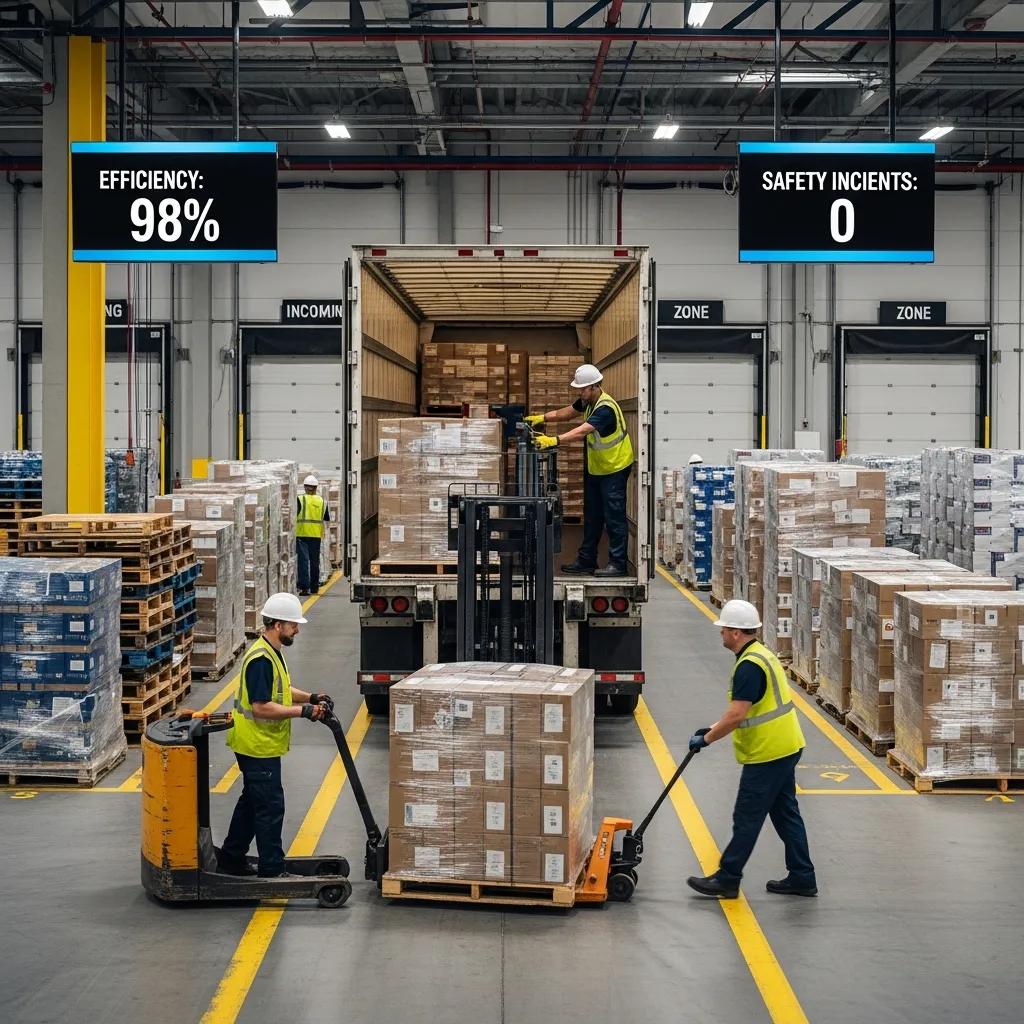
Utilizing lumper services can provide several advantages for warehouses and supply chains. These benefits include improved efficiency, cost savings, and enhanced flexibility in staffing.
- Efficiency Improvements: Lumper services streamline the loading and unloading process, reducing wait times and increasing overall productivity.
- Cost Savings: By outsourcing these tasks, shippers can avoid the costs associated with hiring full-time staff for sporadic needs.
- Flexibility in Staffing: Lumper services allow businesses to adjust their labor force based on demand, ensuring they have the right number of workers when needed.
These benefits highlight the importance of integrating lumper services into logistics operations for optimal performance.
How Do Lumper Services Improve Warehouse Efficiency and Safety?
Lumper services significantly enhance warehouse efficiency by ensuring that goods are loaded and unloaded quickly and safely. This not only reduces the time trucks spend at docks but also minimizes the risk of accidents and damage to cargo. Efficient handling of goods leads to better inventory management and faster turnaround times, which are critical in today’s fast-paced logistics environment.
Why Outsource Warehouse Lumper Services for Cost and Flexibility?
Outsourcing lumper services offers shippers and carriers the flexibility to scale their labor force according to demand. This approach can lead to substantial cost savings, as businesses only pay for the labor they need when they need it. Additionally, outsourcing allows companies to focus on their core operations while leaving the logistics of loading and unloading to specialized professionals.
How Does Humano’s Managed Staffing Solution Optimize Lumper Fee Management?
Humano specializes in managed staffing solutions that can optimize the management of lumper fees. By providing expert labor for various warehouse functions, Humano helps businesses drive down operational costs while maintaining high efficiency.
What Is Humano’s Cost-Per-Unit Model for Transparent Lumper Fees?
Humano’s cost-per-unit (CPU) model ensures that all costs associated with lumper services are known upfront. This transparency allows shippers and carriers to budget effectively and avoid unexpected expenses. By utilizing this model, businesses can gain better control over their logistics costs and improve their overall financial planning.
How Does Real-Time Reporting Enhance Control Over Lumper Services?
Humano employs real-time reporting systems that provide businesses with data-driven insights into their lumper services. This capability allows shippers and carriers to track performance, monitor costs, and make informed decisions about their logistics operations. By leveraging real-time data, companies can enhance their operational control and optimize their supply chain processes.