
staffing for front loading imports: holding dock throughput when containers arrive early
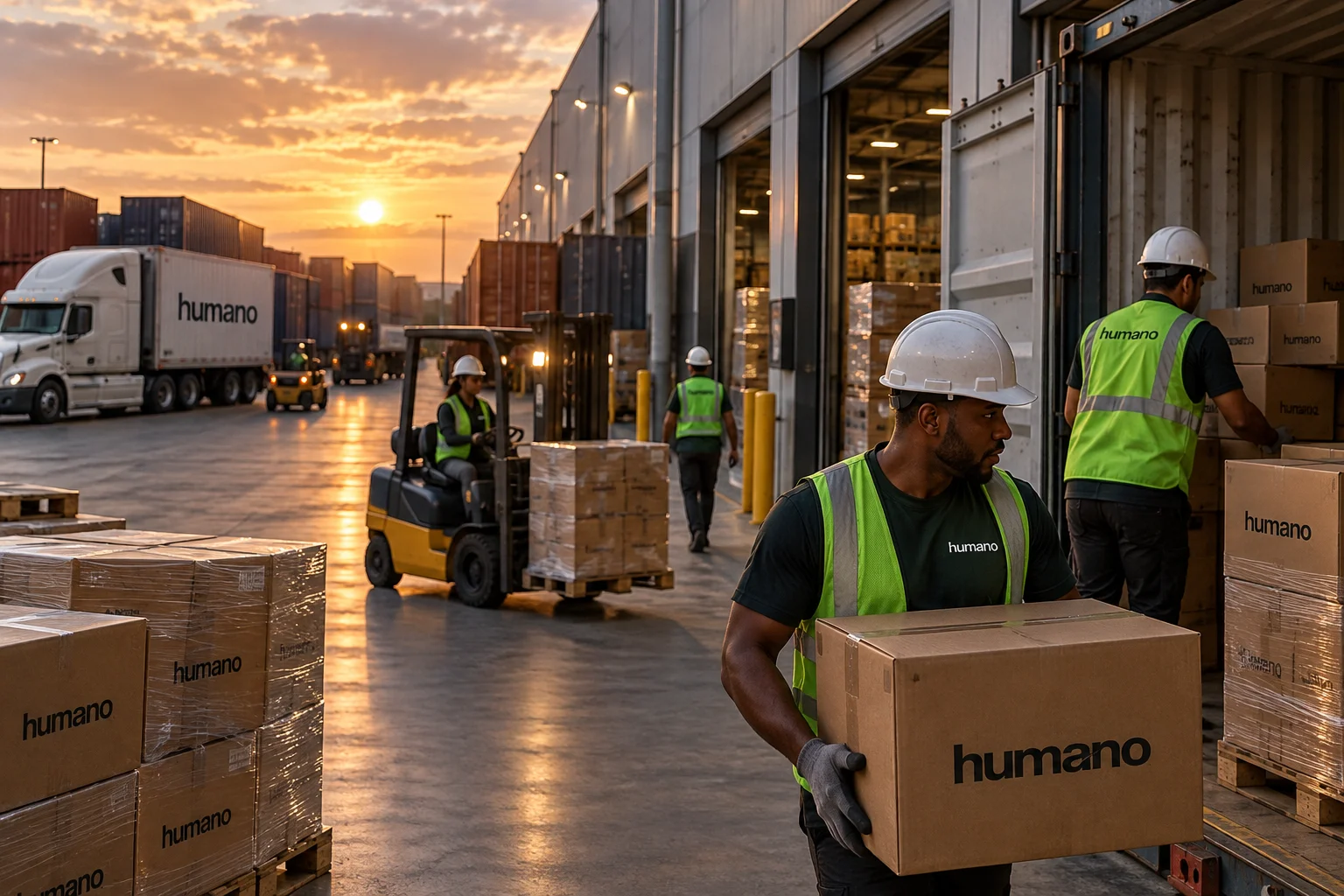
Front loading imports means bringing goods into the country earlier than planned, usually ahead of a tariff change. For a dock, that squeezes weeks of volume into a few days. Staffing for it takes flexible container transloading capacity, a clear crew formula and a pay model tied to output.
By humano Team, Logistics & Lumper Specialists
Why Do Containers Arrive Early When Companies Are Front Loading Imports?
Importers front load when they expect a cost to rise or a rule to change. The usual trigger is tariffs. When tariff increases look likely, importers try to land cargo before the new rate applies, so shipments planned for later quarters show up now. Tariff announcements from the Donald Trump administration have led some importers to move orders forward. The same logic applies to any hard deadline, such as peak season or a port labor contract ending. Uncertainty makes it worse, because nobody wants to be the last to ship.
What is front loading in shipping? It is pulling future purchases into the present by moving cargo earlier than planned, which economists call frontloading. Front-loading tariffs works like this. An importer buys and ships at the old rate, then sells from inventories after the higher rate starts. On import volume charts, the pattern looks like a sharp rise followed by steep declines once the deadline passes. Export front loading is the mirror image: exporters ship early to beat a foreign tariff or rule change, which lifts exports for a few quarters before they drop. Both moves create a surge at ports in sectors that depend on trade, from retail to manufacturing supply chains. A front loader, the wheel-mounted machine, has nothing to do with any of this.
How Does Front Loading Imports Change Dock Volume and Labor Demand?
Three things shift at once. Import volumes climb above forecast, arrivals bunch together, and the cargo mix tilts toward whatever buyers wanted to secure first. Ports feel the surge first, and drayage (the short truck haul from port to warehouse) and your dock feel it days later. Retailers and distributors often see inbound container counts rise before outbound demand moves, so inventories build inside the building and slow put-away. Supply chains built on just-in-time deliveries take the biggest disruption, because they carry little spare space or labor.
| Pressure on the dock | What changes | Staffing effect |
|---|---|---|
| Early arrivals | Containers meant for later weeks land now | Peak crews needed on fewer, heavier days |
| Bunched appointments | Many boxes reach the yard together | Extended shifts or a second crew |
| Mixed cargo | Different carton sizes and pallet builds | More time per container |
| Full racks | Put-away slows down | Labor shifts from unloading to storage |
How Many Dock Workers Do You Need When Front Loading Imports?
Start from your own throughput, not an industry average. Take the containers you must clear per day, divide by the containers one crew can devan (unload by hand or with equipment) in a shift, then add a buffer for hard loads. Here is an example with made-up numbers. If one crew devans 4 containers per shift and you need to clear 12 per day, you need three crews that day. Add a spare for floor-loaded freight (cartons stacked loose with no pallets), which runs slower than palletized cargo.
Size to the peak week, not the average one. Then ask your provider for written responses on how quickly it can add crews, because a plan that depends on hiring after the surge starts arrives too late.
How to Staff a Warehouse for a Front Loading Imports Surge
Match your staffing strategies to how long you expect the surge to last. Most dock teams choose from three:
- Core crew plus overtime. Your trained team stretches its hours. It works for a spike you can see ending, but it wears people down if it runs for weeks.
- Hourly temp labor. Extra hands arrive fast, though you manage them, train them and pay for idle time between trucks. Vet any added crew with the same questions for a lumper provider you would put to a permanent partner.
- A contracted crew billed per unit. With humano, you pay per pallet loaded or per container devanned or transloaded, so you pay for output, not labor hours, and humano's onsite leadership runs the crew day to day. Transloading (moving freight from an ocean container into domestic trailers) is often the fastest way to clear boxes that arrived early.
Whichever you pick, name one owner on your supply chain team who decides when to add or release crews.
How to Keep Dock Throughput Up When Containers Arrive Early
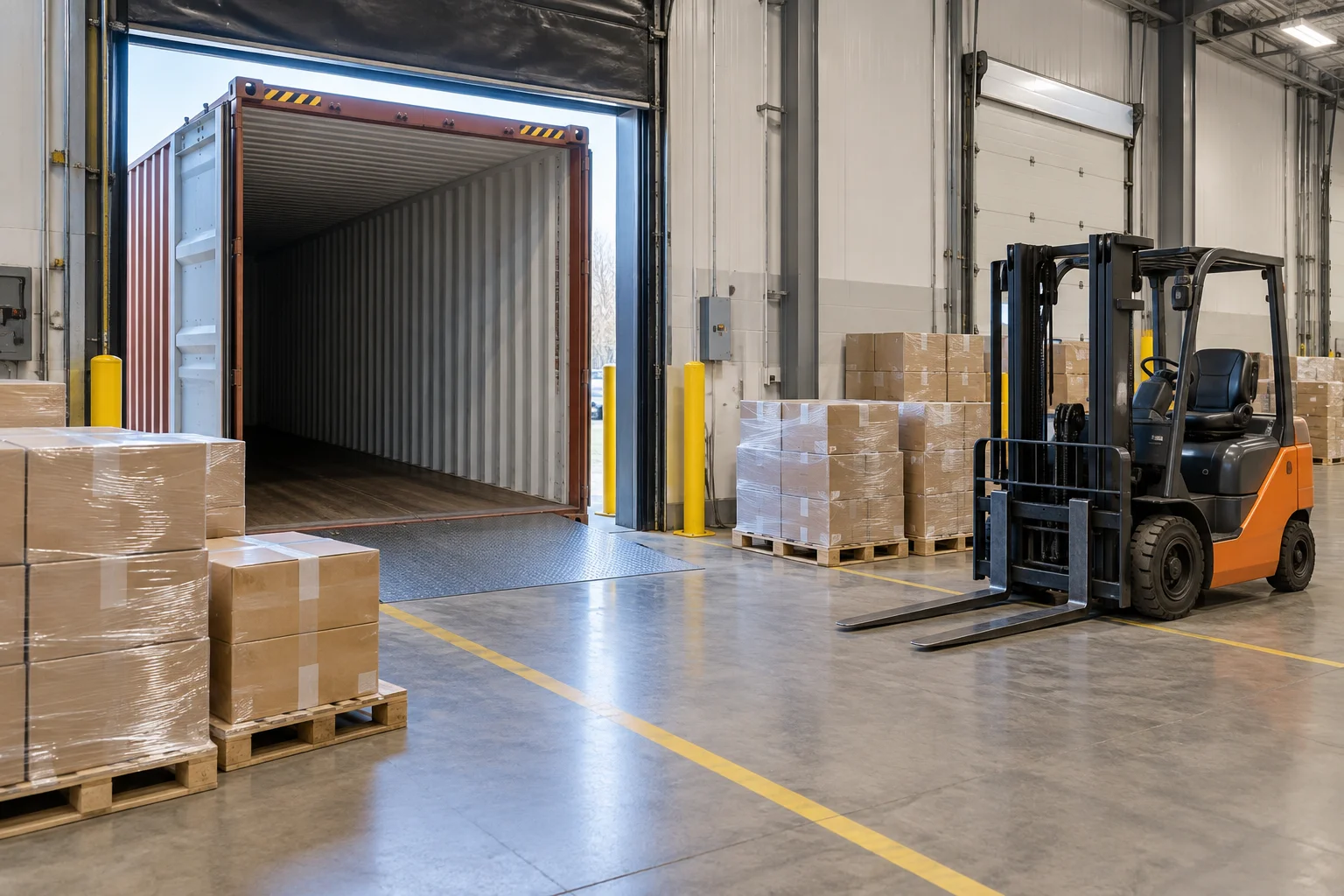
Throughput drops when doors, crews and floor space fall out of step. Four moves keep them aligned. Stage containers by priority, so cargo that feeds open orders gets devanned first. Separate unloading from put-away, so one backlog does not block the other. Extend dock hours before adding doors, because an open door with no crew moves nothing. Clear the yard daily, so empties leave and full boxes keep a path to the doors. These throughput gains come from flow, not from pushing people harder.
Agree on numbers before the surge, not during it. A written dock labor SLA (service-level agreement) that names pace, damage rate and response time gives both sides the same scoreboard. Add a short list of responses for common problems, such as a late truck, a damaged pallet or a blocked door, so the shift lead can act without waiting for approval.
How to Schedule Appointments and Manage Detention When Imports Are Front Loaded
Two charges can start ticking after a container lands: demurrage while it sits at the terminal, and detention once it leaves the terminal. Demurrage is what the terminal charges when a full container sits at the port past its free time. Detention is what the carrier charges when you keep the container past its allowed days after it leaves the terminal. Early arrivals start both clocks sooner than your plan assumed.
Work from the last free day on each container. Book terminal pickup appointments for the earliest deadlines first, confirm dock appointment windows with your drayage carrier, and release doors in the same order. Ask the terminal about extra appointment slots when shipments bunch up, since gates fill during a surge. Faster devanning is the cheapest fix, because an emptied box that goes back quickly stops the detention charge. If you want to compare a per-unit crew with your current setup, talk to humano about its Container Unloaders service and bring your expected container counts.
When Does Front Loading Imports Stop Making Sense for Staffing Costs?
It stops when the extra volume is short, unpredictable or about to reverse. Volumes pulled into one quarter often decline in the next, so a crew sized for the peak sits idle in the lull. Under hourly billing, you pay for that idle time and your margins shrink. Under per-unit billing, cost follows output, which is why humano pairs its cost-per-unit model with annual or dedicated agreements: crews and cost track volume across the year instead of one project.
Add permanent headcount only when higher import volumes hold across at least two quarters. Until then, treat gains as temporary. Tariffs can change again, and uncertainty around trade policy under Donald Trump adds volatility to order timing, so keep part of your labor flexible. Importers, exporters and retailers all face the same swing. The ones who protect margins match staffing strategies to volume, not to the loudest week. Check port arrival charts weekly for declines before you commit to anything fixed.
Common Questions About Front Loading Imports
What does front loading imports mean?
Front loading imports means importers bring in goods earlier than normal, usually to beat a tariff increase or another deadline. Containers that would have landed in later quarters arrive now, so ports and warehouses handle more cargo in a shorter window. Economists call the broader habit frontloading, and the result is a surge followed by a lull.
Is front-loading imports the same as frontloading shipments or inventory?
Mostly yes. Frontloading shipments is the logistics step of moving orders onto earlier vessels. Building inventory is the result once cargo lands. Front-loading imports describes the whole move, from the buying decision to the stock sitting in your warehouse. Export front loading is the reverse: exporters ship early so exports clear before a foreign tariff or rule change.
Should you use temp labor or overtime when front loading imports?
Use overtime for a short spike you can see ending, because your trained team already knows the floor. Use temp labor or a contracted crew when the surge runs several weeks, since long overtime can wear down your team. A contracted crew billed per unit keeps cost tied to output instead of hours on the clock.
How do you avoid demurrage and detention when front loaded containers arrive early?
Rank containers by their last free day, book terminal pickup appointments early, and keep dock doors and crews ready so boxes turn fast. Demurrage is the terminal charge for a full container sitting too long at the port. Detention is the carrier charge for holding the container past its allowed days. Faster devanning shortens the detention clock, not the demurrage clock.
How long does a front loading imports surge usually last at the dock?
It depends on the trigger. A surge tied to a tariff deadline often lasts until the new rate takes effect, plus the weeks late-booked cargo needs to arrive. Plan for a ramp, a peak and a decline instead of a fixed number of weeks, and review port arrival charts weekly to see when the peak passes.
Plan Your Early-Arrival Dock Coverage With humano
Contact humano with your expected container counts and arrival dates to talk through a cost-per-unit crew plan for the surge.