
grocery and food distribution labor: cost-per-unit crews for cold chain and high-velocity dcs
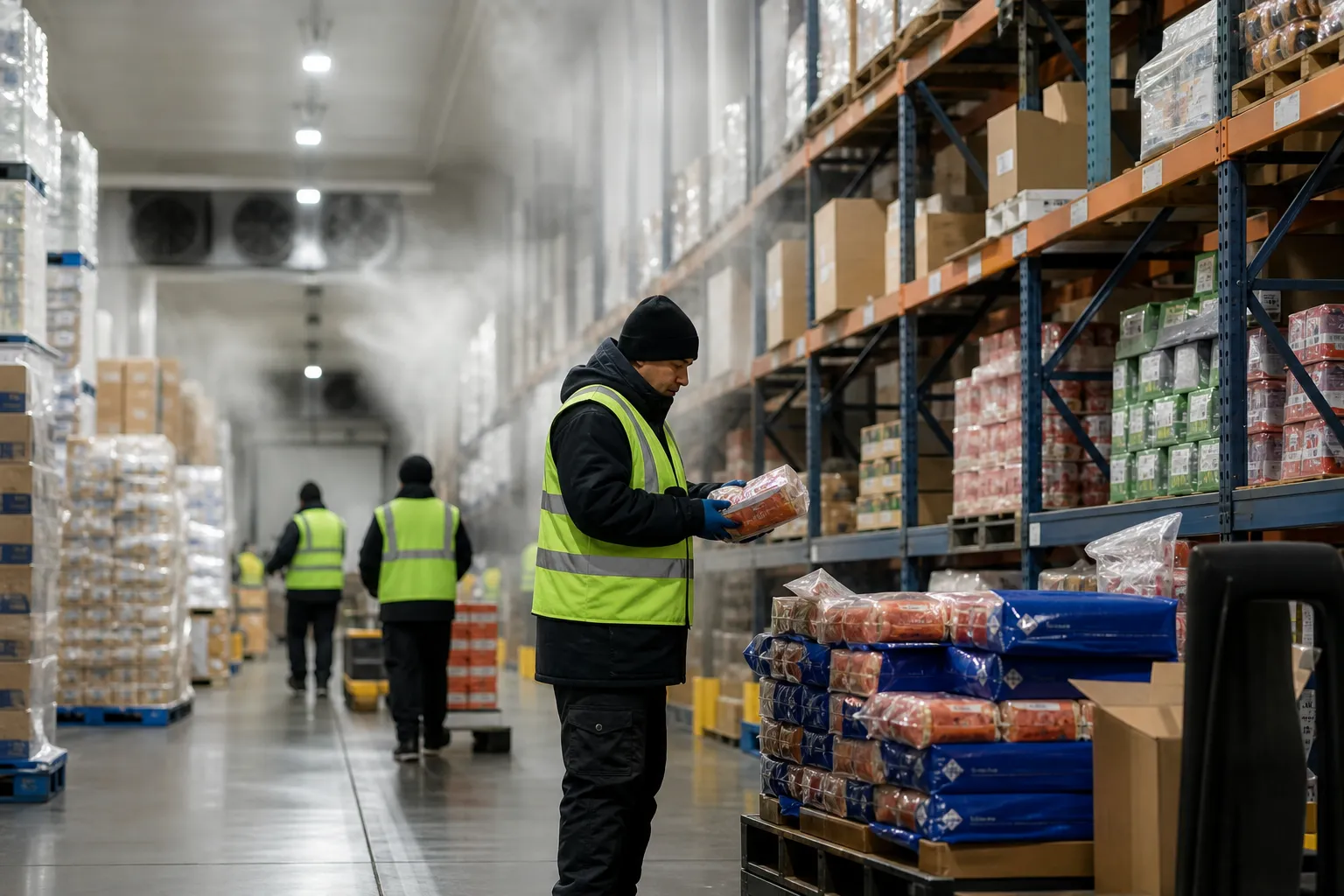
grocery and food volume does not forgive a slow morning. a short crew on a receiving dock means product sits off temperature, a mis-pick means a recall risk, and a missed load-out window means a store goes without.
humano staffs grocery and food distribution centers with crews trained to your cold chain, your date-code and lot-control discipline, and your pick accuracy standard, and we price the work per unit handled rather than per labor hour. you get a fixed cost against a known volume, and the recruiting, screening and daily supervision stop being your problem.
is this you?
we work best with grocery and food distribution operators running real, recurring volume, refrigerated or frozen docks, high-velocity case pick, or both, on annual or dedicated agreements.
you are probably here because one of these is true:
- your accuracy is slipping on a high-SKU grocery order and a mis-pick is a shrink or recall risk, not just a redo
- turnover on a cold dock is worse than turnover on a dry one, and you are re-training constantly
- peak grocery volume around a holiday or promotion needs more crew than your steady-state headcount can cover
- your supervisors are spending their day covering absences instead of running receiving and load-out
- you need a labor cost per case or per pallet you can actually hold to when you quote a customer
one thing to be clear about. if you are a brand looking for someone to warehouse and ship your product, humano is not that company. we do not hold inventory and we do not run fulfillment. we supply and manage the labor inside the building, whether that is a grocery chain's own distribution center, a food company's dc, or another operator running the facility on a grocery account. we contract directly with grocery chains just as often as we do with the operator running their building.
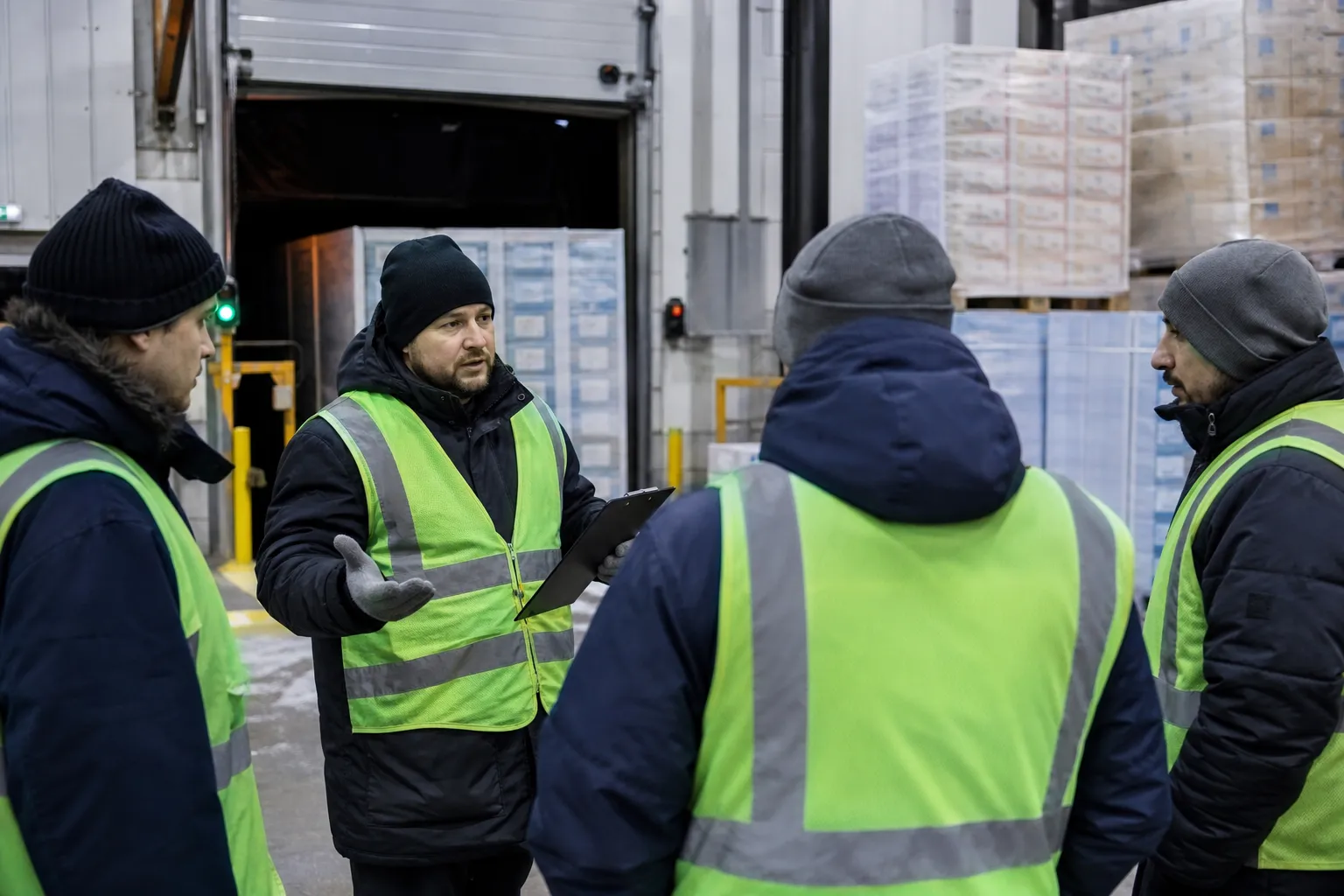
what humano runs inside your grocery or food dc
crews trained to your cold chain, your wms, and your food safety standard, not general warehouse labor asked to work cold for a shift.

receiving and putaway
refrigerated and frozen dock receiving, temperature checked at the door, product moved to slot without a break in the cold chain.

order selection and case pick
each pick and case pick at grocery-DC velocity, trained to your slotting and your pick path so accuracy holds when volume spikes rather than falling apart at the worst possible time.

replenishment
keeping pick faces stocked against a live order stream, the function that quietly determines whether the rest of the shift hits its numbers.

palletizing and load building
pallets built to your store or account spec, stretch wrapped and staged cold, loaded to the trailer schedule you are actually working from.

returns and reverse logistics
sorting, inspecting and dispositioning returned product, including anything with a shelf-life or lot-control question attached to it.
receiving and putaway
refrigerated and frozen dock receiving, temperature checked at the door, product moved to slot without a break in the cold chain.
order selection and case pick
each pick and case pick at grocery-DC velocity, trained to your slotting and your pick path so accuracy holds when volume spikes rather than falling apart at the worst possible time.
replenishment
keeping pick faces stocked against a live order stream, the function that quietly determines whether the rest of the shift hits its numbers.
palletizing and load building
pallets built to your store or account spec, stretch wrapped and staged cold, loaded to the trailer schedule you are actually working from.
returns and reverse logistics
sorting, inspecting and dispositioning returned product, including anything with a shelf-life or lot-control question attached to it.
the discipline that actually separates grocery labor from general warehouse labor
- date code and lot control, crews trained to work FIFO/FEFO by rotation, not just by bin, so a lot-tracking question has a real answer behind it
- cold chain integrity, product moves through refrigerated and frozen zones without sitting on a dock or a cart longer than your standard allows
- food safety screening and training, background screening and food-handling training to your facility's standard before a crew works a shift, not generic warehouse onboarding
- accuracy held under volume, grocery pick errors carry shrink and recall exposure that a dry-goods mis-pick does not, so accuracy is trained and supervised as a food safety issue, not just a productivity number

vendor, carrier and dock support
grocery and food dcs run on more than pick and pack, the paperwork and the door schedule can bottleneck a shift as fast as a short crew can. humano handles the operational layer around the labor too:
- direct billing to carriers and vendors, we bill delivering carriers and vendors directly rather than routing it back through a middle operator, so accounts stay clean and disputes get resolved faster
- vendor compliance tracking and billing, we track vendor compliance against your program's requirements and handle the billing that goes with it, so chargebacks and compliance gaps do not sit unresolved
- dock scheduling, appointment and door scheduling built to keep trailers moving and door turns fast, not a receiving dock backed up because nobody owns the calendar
priced per unit, not per hour
the same cost-per-unit model runs across every function humano staffs: you agree a price for the case picked, the pallet built, the container devanned, and that is what you pay regardless of how many hours it took. slow mornings, a cold-dock slowdown, an absentee call-out, that is humano's problem to solve, not a line item you absorb.
the same model applies whether you are a grocery chain contracting with humano directly or a distribution partner staffing a grocery account, it is built for annual and dedicated agreements rather than short-term fills.
how it works
01
step 1: initial consultation
we look at your volume, your mix, your peak profile and the service levels you are held to, and we walk the facility, cold zones included.
02
step 2: strategic planning
we define the unit of work, size the crew and shift pattern against your throughput target, and set the measures we will both hold to.
03
step 3: execution and monitoring
crews are recruited, screened, trained to your cold chain and food safety process, and placed with humano supervision on site from day one.
04
step 4: performance evaluation
throughput, accuracy and safety reviewed against target, with a weekly call rather than a monthly surprise.
05
step 5: ongoing support
volume moves, seasons change, accounts get won. the crew scales with them.
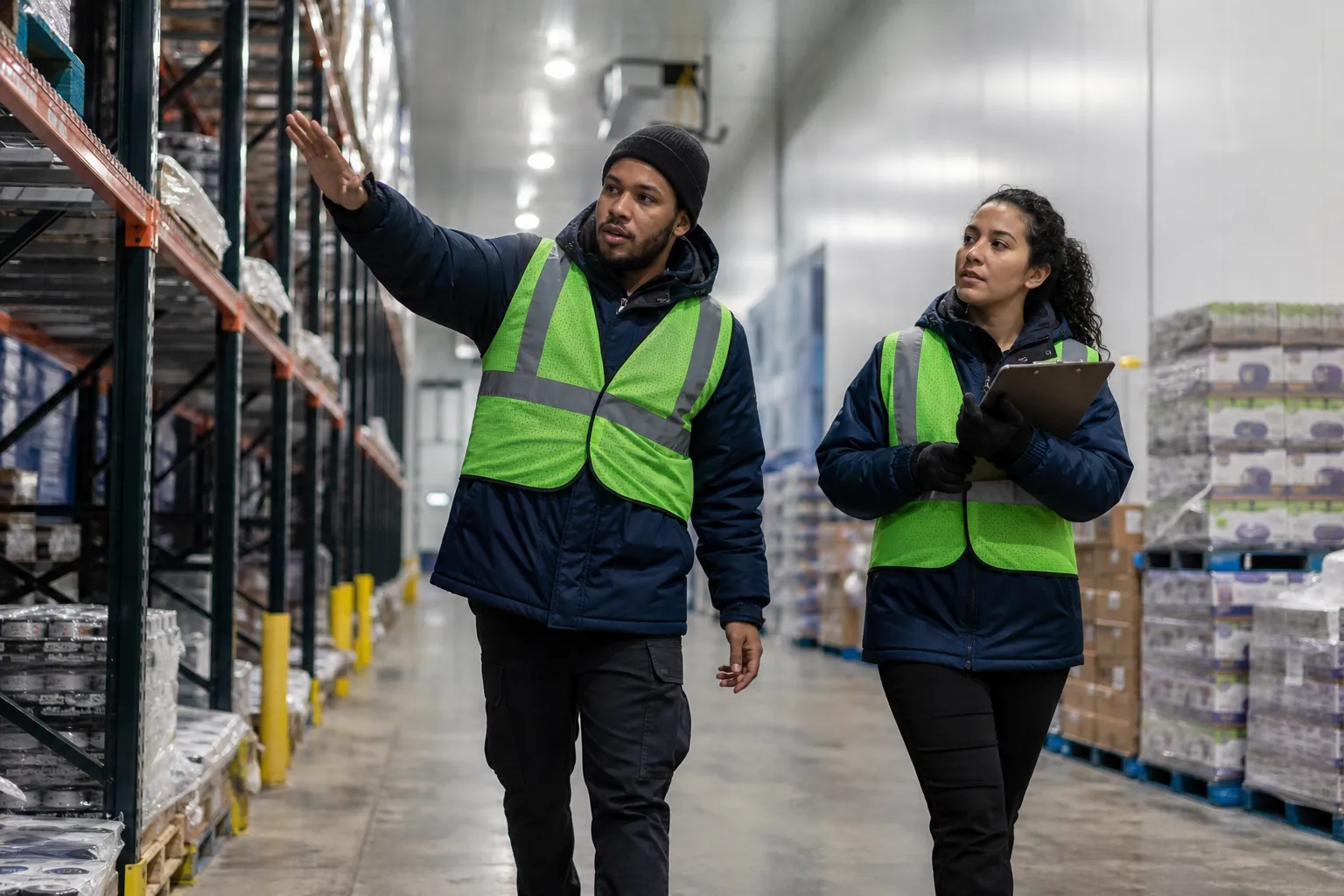
where humano can staff you
where humano operates
humano provides grocery and food distribution labor at 50+ ports and distribution markets across 25 states. every market we cover:
what we report to you
- units per hour by function, so throughput is visible rather than assumed
- order and pick accuracy, tracked to the crew
- dock to stock time on receiving
- fill rate and on-time load on outbound
- safety incidents and near misses, reviewed every week
- attendance and fill, so you can see coverage before it becomes a gap
these are reviewed on a weekly performance call, not buried in a monthly report.
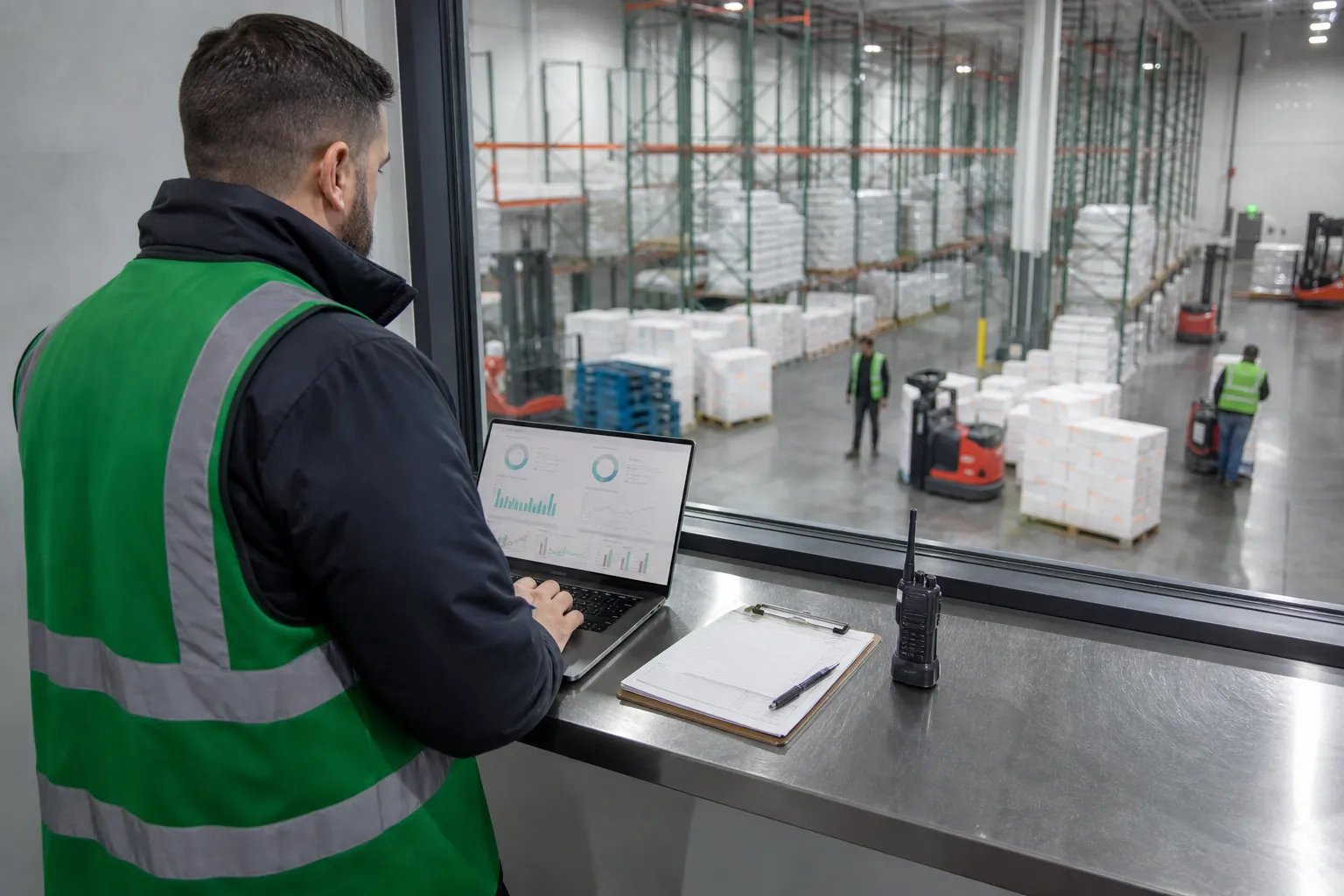
the humano difference
- client communication. a named point of contact who knows your operation, not a dispatch line.
- weekly performance calls. every account, every week, against the numbers agreed at the start.
- recruitment excellence. we recruit continuously in every market we serve, so coverage does not depend on who happens to be available this week.
- engagement and screening. background screening, food safety training and process training to your facility's standard before a crew works a shift.
other services
humano also runs container loading, container unloading, logistic lumper services, warehouse labor, container transloading and 3pl staffing crews nationwide.
frequently asked questions
tell us your volume, your markets and the functions you need covered, and we will scope a managed crew against it.
